Islamic History
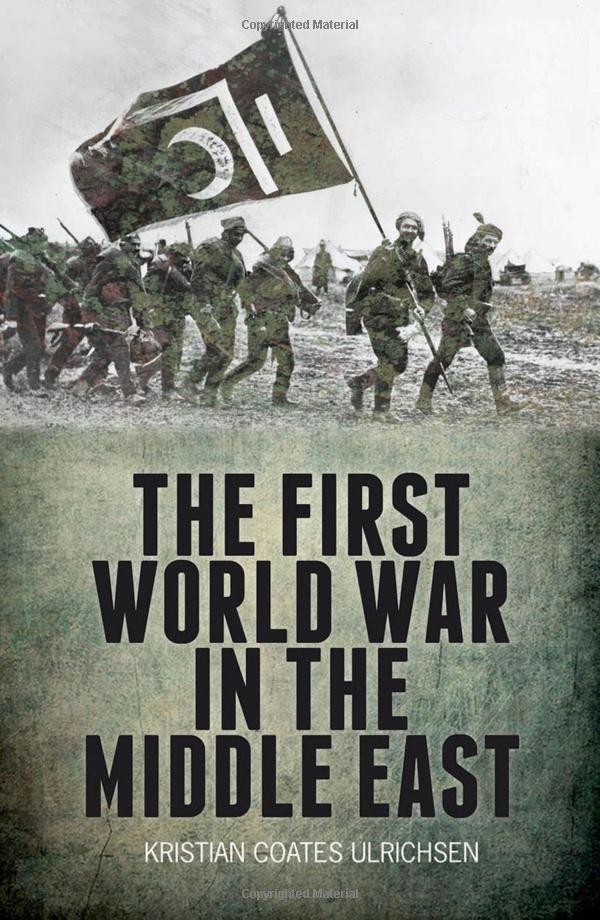
The First World War in the Middle East
Author(s): Kristian Coates Ulrichsen
Reviewed by: Fadia Bahgat, Toronto, Canada
Review
2014 marked 100 years since the beginning of the First World War. Countries around the world have held memorials commemorating the battles of 1914–1918 and honouring the numerous lives lost. Yet beyond the tragic battles of Flanders Field that have become part of our national heroic imagery here in the West, the tangible vestiges of World War One are also much more immediate. As Kristian Coates Ulrichsen writes, while European nations have been able to establish “historical distance” from the events of the war, the conflict’s “legacy continues to resonate” throughout the Middle East (p. 204). In his book The First World War in the Middle East, Ulrichsen unpacks for readers this burdensome legacy. The author divides his book into three parts: the political-economic context, the battles, and the negotiations for Arab independence that went on during and immediately after the war. He begins with an analysis of the patterns of colonial penetration in the Middle East from the middle of the 19th century leading up to 1914. The long decline of the Ottoman rule and the simultaneous processes of world economic integration and increased European interference in the Middle East are the “macro-processes that shaped the region in the half century” before the war (p. 12). The author argues that the varying patterns displayed by the British, Ottoman, and French empires determined the method of wartime mobilization and resource extraction, thereby directly influencing how the battles panned out (p. 30).