Islamic History
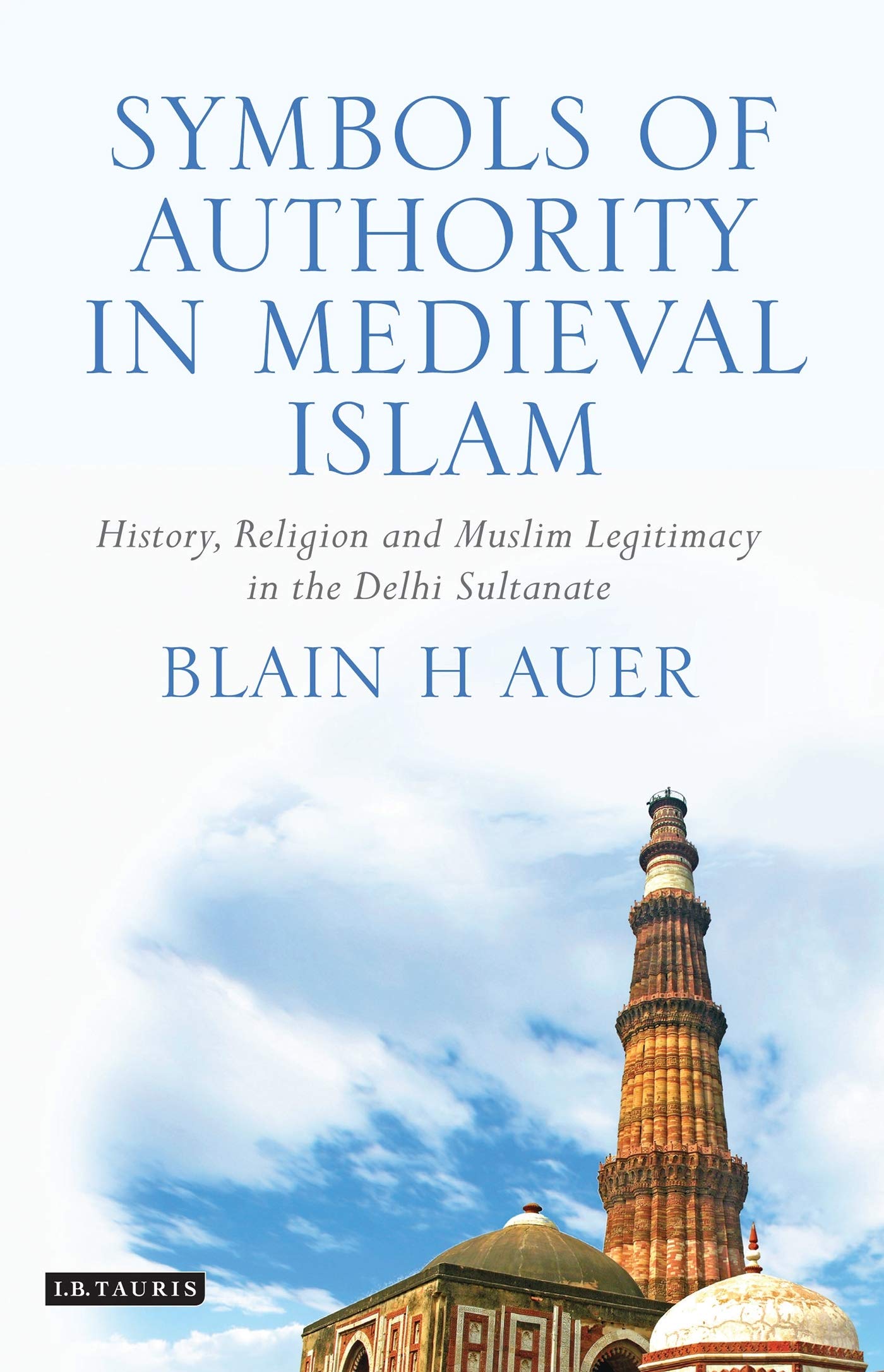
Symbols of Authority in Medieval Islam
History, Religion and Muslim Legitimacy in the Delhi Sultanate
Author(s): Blain H. Auer
Reviewed by: Richard Bonney, University of Leicester, Leicester, UK
Review
At the end of this detailed and fascinating account, Blain H. Auer notes that ‘early Persian historiography is as much an enterprise in representation and identity construction as it is a record of dynastic action. Ultimately, we will never know if the Delhi Sultanate was ninety percent image or action’ (p. 160). All dynastic regimes have a problem with legitimization, particularly so in the case of the Delhi Sultanate; one of its most prominent scholars, K. A. Nizami, postulated that it was fundamentally illegitimate, having ‘no sanction in Shari‘at’. In contrast, Auer argues that the sultans of Delhi relied on multiple sources of legitimization, which became a ‘complex web of legitimacies’ (pp. 14-15). Given that this study covers three centuries from the conquest of Delhi by Mu[iz al-Din Muhammad bin Sam in 1192 to its destruction at the hands of Amir Timur in 1498, a brief chronological listing of rulers and dynasties would have been helpful. This would have served to demonstrate that the three principal sources used by the author – Minhaj al-Siraj Juzjani’s Tabaqat-i Nasiri, Diya’ Barani’s Tarikh-i Firuz Shahi, and Shams al-Din Siraj [Afif’s Tarikh-i Firuz Shahi – by no means cover the whole period under review. Auer concentrates particularly on the reign of Sultan Firuz Shah (1351-88) because he is featured in the accounts of Barani and [Afif. The family of the ex-slave Balban (1266-86), who created much of the Sultanate’s problem of legitimacy, is mentioned only once and then in the context of an attempted rebellion against a subsequent sultan (p. 94).