Islamic History
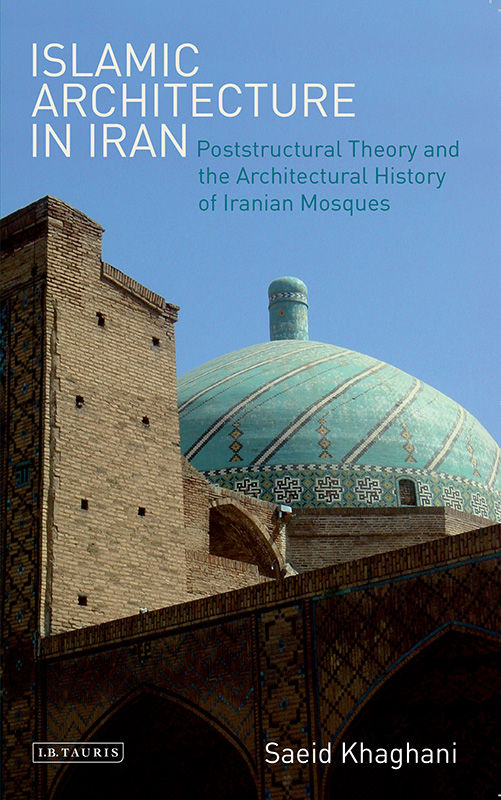
Islamic Architecture in Iran
Poststructural Theory and the Architectural History of Iranian Mosques
Author(s): Saeid Khaghani
Reviewed by: Cleo Cantone
Review
Islamic architecture can no longer be sidelined: it is a force to be reckoned with, not least now, when sacred places are being wantonly destroyed in more than one part of the Muslim world. If the Taliban of Afghanistan vented their anger against the Buddhas of Bamiyan, Muslim places of worship have come under fire from fanatics who fall under the broad definition of Muslim. From heritage sites in the heart of the Islamic world, Makkah, to the centenary mosques and shrines of Timbuktu, it seems that ‘Islamic’ has become a contentious definition monopolised by a minority brandishing an 18th century interpretation of Islam which deprecates deviance from an unflinching tunnel vision. According to Khaghani, the answer to the dilemma – change is to crisis as modern is to tradition – is an inevitable resort to revivalism, a theme most pertinent in the realm of architecture. Khaghani’s intricate enquiry into Islamic architecture in Iran is very daring in this respect. Based on his doctoral research, the author questions every definition of Islamic architecture in an attempt to shed light on what makes Iranian architecture Iranian. In other words, the notion of identity politics stokes the fire of his depiction of Islamic period architecture in Iran. Leaving aside the somewhat cumbersome poststructural theory that occupies the first chapter, the author identifies the element of difference, the reason why ‘Persian culture cannot be defined in sole relation to Islam’. (p. 68)