Islamic History
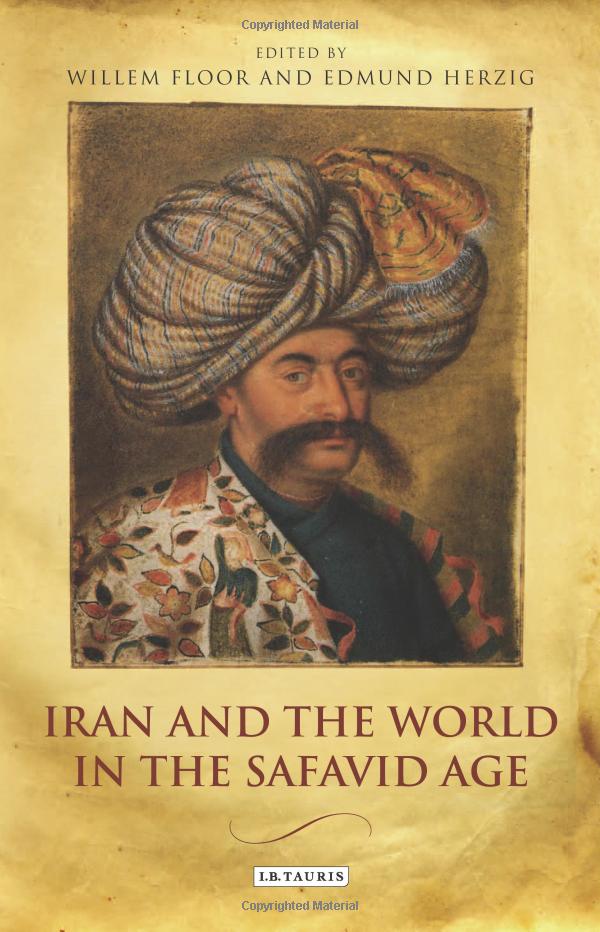
Iran and the World in the Safavid Age
Author(s): Willem Floor & Edmund Herzig
Reviewed by: Anthony McRoy, London, UK
Review
Traditionally, at least until the 1979 Iranian Islamic Revolution, Western concerns about ‘Islamic States’ tended to concentrate on the Ottoman rule. There were obvious reasons for this. The Ottomans controlled both the holy sites of Islam in Arabia and those of the three monotheistic faiths in Palestine, and the latter of course was the scene of the Crusades, which meant that much Western history at a popular level concentrated on events there. The Ottomans were a major superpower until the eighteenth century, and even in decline ruled a large area of Europe, Asia and North Africa. The break-up of the Empire was a principal consideration of European policy in the subsequent century, playing a main role in the British-Russian rivalry. Even in the twentieth century, people were aware of the Ottoman rule if only because of the exploits of Lawrence of Arabia. Above all, though, the Ottomans literally banged at the gates of the West, as with the siege of Vienna in 1683. They ruled over the Balkans until the nineteenth century, which meant that European policy was directly concerned about their presence. In contrast, Persia (Iran) was not bordered by Europe, except for the far away Caucasus. Persia had not been a military threat to Europe since before the time of Alexander, whereas Ottoman Turkey was seen as the ‘Evil Empire’ up to the eighteenth century.