BOOK REVIEWS
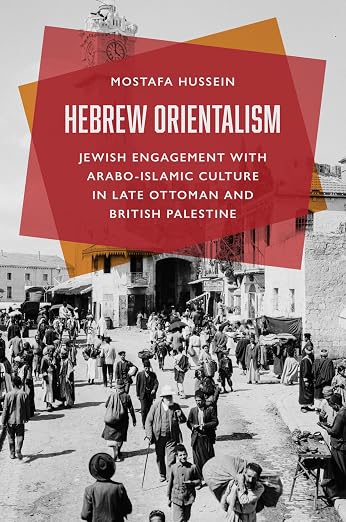
Hebrew Orientalism
Jewish Engagement with Arabo-Islamic Culture in Late Ottoman and British Palestine
Author(s): Mostafa Hussein
Reviewed by: Iftikhar Malik
Review
Calling it “a challenging endeavor”, Hussein anchors his doctoral research on reconstructing the Jewish interaction with the Arab population in Palestine, formerly the part of Ottoman province of al-Shām (Syria), and given the ongoing pogroms in Europe, the destination of an ever-increasing number of Jewish immigrants. Going beyond the vital Saidian paradigm of Orientalism, the author seeks the self-definition of a “New Jew” by both the Sephardi and Ashkenazi clusters in Palestine, who incessantly preened Arabic sources and locales while immersing themselves in Arabo-Islamic culture though such a vital process in acculturation remains largely unacknowledged on all sides. The Zionists, even during the Mandate era, continued with their quest for a “third way” whereby they could indigenize Western Jewry across Palestine by Hebrewizing the names and such other narratives from their Islamic fountainheads, even though they carried a more emphatic baggage which the author defines as settler colonialism. At the heart of this project lies the precept, “land is life”, as per British historian, Patrick Wolfe, and terms such as expulsions, displacements, dispossessions and more recently “the ethnic cleansing” add to an enduring regional history that witnessed the longest warfare in human history, generally known as the Crusades with the medieval patterns returning with the induction of the Balfour Declaration. Being one of the most contested tracts of land in human history, Palestine remains the battleground where nativism is often claimed on the basis of religious particularism and ancestral roots.