Contemporary Muslim World
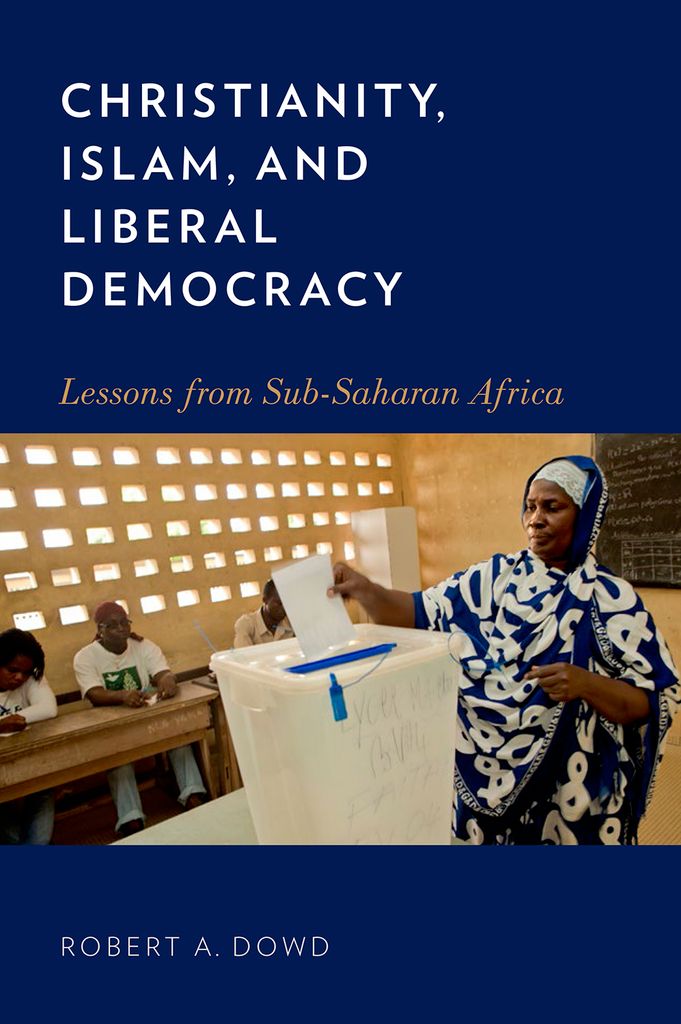
Christianity, Islam, and Liberal Democracy
Lessons from Sub-Saharan Africa
Author(s): Robert A. Dowd
Reviewed by: Usman Bugaje
Review
The theme of this work is undoubtedly a very important one; religion and politics, especially in contemporary Africa where both democracy and the democratisation process would appear to be in the eye of the storm. This is a book that sets out to investigate, in the words of the author, ‘whether and how Christian and Islamic religious communities are affecting the chances that democratic institutions will emerge and survive in the region.’ (p. 5) Adding that ‘this book attempts to rise above the polemics that so often plague studies of religion and politics to show that it is possible to develop a systematic explanation for why religiously based ideas that are pro-democratic and respectful of basic freedoms, especially freedom of religion, are emphasized more (or less) than those that are anti-democratic and do not respect basic freedoms.’ (p. 5) The focus on sub-Saharan Africa, the author argues, is because the region is ‘the most religiously diverse and diversifying regions in the world.’ And furthermore, it ‘promises to raise interesting questions and provide us with new insights concerning the impact of religion on political culture more generally.’ (p. 16) Becoming more specific, the author writes, ‘By taking a close look at how Christianity and Islam affect political actions and attitudes in Nigeria, we can confirm or debunk the idea that Nigeria’s religious diversity is a major obstacle to liberal democracy in the country.’ (p. 17) This is as clear as it comes across.