Contemporary Muslim World
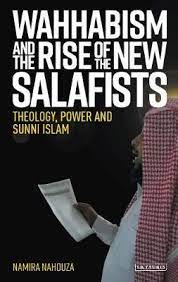
Wahhabism and the Rise of the New Salafists
Theology, Power and Sunni Islam
Author(s): Namira Nahouza
Reviewed by: Mohamad Nasrin Nasir
Review
Published by: I.B.Tauris, London, 2018, xvi+256pp. ISBN: 9781788311427.
Reviewed by: Professor Dr Mohamad Nasrin Nasir, International Institute of Islamic Thought & Civilization (ISTAC-IIUM), International Islamic University MALAYSIA
The framework of this book is based on a description of the historical development of Muslim theological schools predominantly Sunni theology. The author focuses her attention on the issue of the attributes of God and how the different Sunni schools perceive and discuss the issue. The first two chapters provide an exposition of the attributes of God and how various Muslim scholars have responded to traditions which give the impression of anthropomorphism, as for example the tradition which mentions that God created Adam in His image. The general Sunni consensus regarding such traditions is not to take them literally, the Wahhabis however accept the tradition as such and in fact push forward for a literal understanding of these traditions without any further interpretation. Both the Sunnis and the Wahhabis claim that they are the defenders of Tradition and the upholders of the way of the Salaf and their understanding of the sacred texts.
Chapter 3 provides a historical account of the birth of Wahhabism and the attempt at rebranding the movement as Sala sm. This rewriting of Sala history can be seen in the rewriting of the life story of the founder of Wahhabism himself, Muhammad ibn [Abd al-Wahhab. The author uses western studies on Salafism and Wahhabism in the form of unpublished thesis produced at various western universities in her conceptualisation of the history of the Salafists. Similarly, in her argument for a reassessment of this movement, the author relies on discrepancies in the interpretation of the Salafist history in western studies of this movement.