Short Reviews
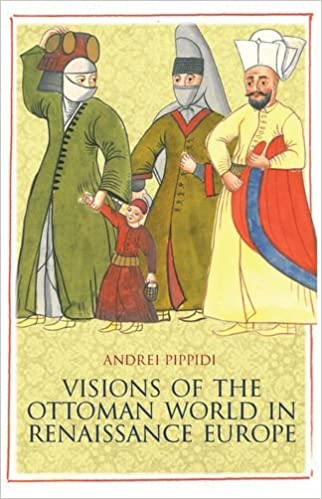
Visions of the Ottoman World in Renaissance Europe
Author(s): Andrei Pippidi
Reviewed by: Abdur Raheem Kidwai
Review
This scholarly work by the chair of medieval history at the University of Bucharest, Romania, takes readers much beyond Samuel Chew’s dated work on the subject, The Crescent and the Cross: Islam and England during the Renaissance (1937). First, its coverage extends to the entire Europe, rather than just England. Moreover, it lets the sources speak themselves about the negative stereotypes of the Turks prevalent in Europe between 1453 and 1618. Furthermore, it discerningly identifies the following three phases in the European (mis)representation of Turks: ‘The first reflects the initial shock of the Ottoman conquests… captured by the Greek poet Kavafis in his superb Waiting for the Barbarians. The second stage is one of mobilization… to launch a counter – attack, which would triumph only fifty years later with the greatest and final victory at Lepanto. A third phase… ended in a balance of power.’ (p. 3) Nonetheless, the general image that remained was that Turks and barbarism areone and the same thing. Worse, the remnants of the same persist even in our time in which Islam/Muslims, including Turks, are equated in the West with violence, ratherwith its latest variety “terrorism”. Pippidi faithfully reports that throughout Europe the unanimous reaction to the “Turk was hostile.” They were generally perceived as “a harsh oppressor with a constantly aggressive tendency”. (pp. 189 and 190) So rife was the demonization of Turks that all major writers, travellers, thinkers and statesmen, including Martin Luther, are found denouncing, degrading and discrediting the Turks.