Contemporary Muslim World
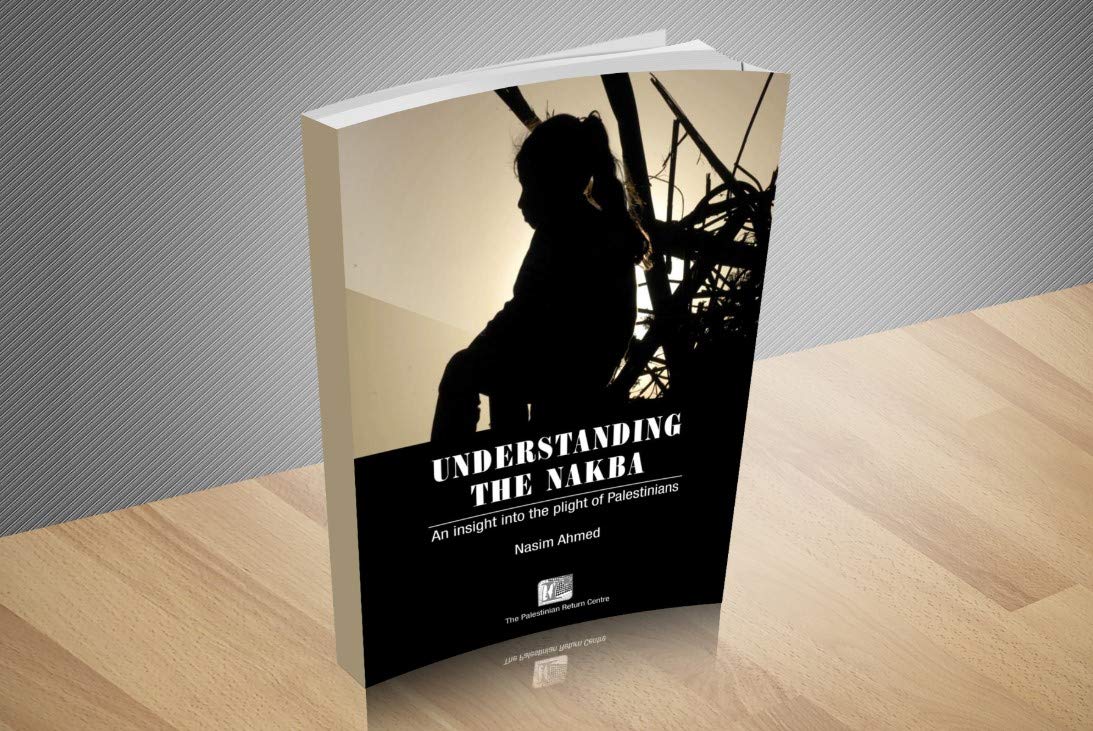
Understanding The Nakba
An Insight Into The Plight Of Palestinians
Author(s): Nasim Ahmed
Reviewed by: Mushtaq Ul Haq Ahmad Sikander
Review
The Palestinian issue is a legacy of British colonialism. It is one of the oldest conflicts in the world and is a testimony of the failure of the United Nations as an international body whose aim is to resolve political disputes and conflicts. The beginning of this conflict goes back to what Palestinians remember and commemorate every year as the Nakbah (the Day of Catastrophe) which corresponds to 15th May, 1948 when the state of Israel was created after displacing the Palestinians from their homes and lands. The book under review tries to revisit the Nakbah tragedy, showing that the Nakbah is still a reality for the Palestinians, as they relive and re-experience the Nakbah every day of their lives. The author Nasim Ahmed tries to revisit and rethink the Nakbah and the place it holds in the lives, struggle, resistance and future of the Palestinians. In her Foreword to the book, Rachael M Rudolph states that ‘The Nakba, however, is not just one event that has shaped the lives of so many. It is an ongoing event that transcends time and space and encompasses every breath taken, every life lost, and every moment of being. The Nakba is not just about 1948, 1967 or other periods where there were campaigns of expulsion, ethnic cleansing, murder, occupation and oppression of Palestinians. Rather, it is about the injustice that has plagued humanity for decades. This injustice has been preserved by an international system dominated for far too long by states who are representative of the political and economic elites and not those the ordinary man, women and child-they are supposed to represent. The voice of voiceless remains silent in the policy making apparatus of a system, of a community that is supposed to stand for justice and defend the rights of the oppressed from their oppressors, but instead upholds the rights of the oppressor’.