Contemporary Muslim World
Transnational Shia Politics
Religious and Political Networks in the Gulf
Author(s): Laurence Louer
Reviewed by: Murad Wilfried Hofmann, Bonn, Germany
Review
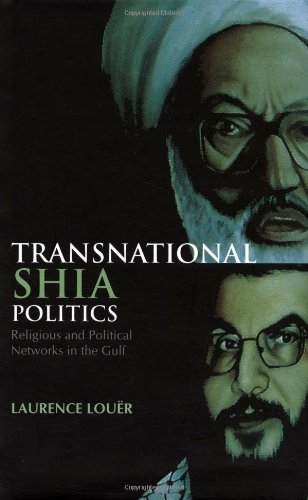
The author of the title under review is educated in philosophy, sociology and political science. She is an Arabist researcher at the prestigious Science Politique institute in Paris, specialising in Shi[ah affairs. Simultaneously, Louer is advisor to the French Foreign Ministry, and earlier books of hers include To Be an Arab in Israel (2007) and Chiisme et politique en Moyen-Orient (2008). Many a potential reader may be intimidated by the cover as this volume comes with the forbiddingly threatening images of Isa Qasem, an influential Shi[ah cleric in Bahrain, and Hasan Nasrallah, secretary general of the Lebanese Hezbollah. Transnational Shia Politics is based on interviews with Shi[ah activists dealing with Shi[ism in Bahrain, Iraq, Kuwait, and Saudi Arabia. Reading through the text, the reader gains the impression that Sunnism is a faith for victors and Shi‘ism for the vanquished. At any rate, the Shi[ites in the Middle East still face the problem that their loyalty is frequently questioned by Middle Eastern rulers because of the Shi[i commitment to the wilayat al-faqih. In fact, since Shi[ism, contrary to the Sunni concept, affirms the merging of religious and political authority, Shi[ahs appear as unreliable citizens, although they never exercised political power (outside Iran), being mostly reduced to religious leadership.