Short Reviews
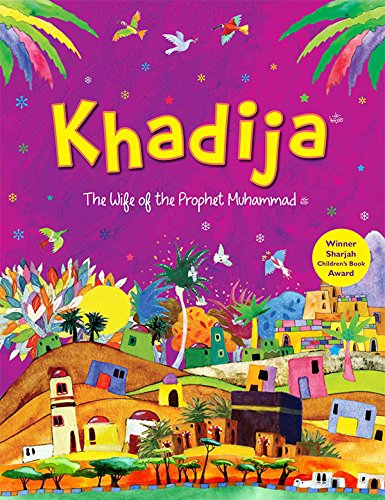
The Story of Khadijah
The First Muslim and the Wife of the Prophet Muhammad
Author(s): Saniyasnain Khan
Reviewed by: Nigar Ataullah, Bangalore, India
Review
The book beautifully describes the humane aspects of the Prophet’s first wife, her contribution to the Prophet’s life, and the moral and emotional support that she gave to the Prophet before the announcement of his Prophethood and after. One learns from this book that Khadijah played a very prominent role in business, sending caravans of goods from Makkah to Syria. When the Prophet was chosen for the responsibility of calling people to Islam, he gave up his business activities and took up the task of preaching full-time. Khadijah placed all her wealth at his disposal, and her entire fortune was used in the cause of Islam. She was also personally involved in the task of spreading the message of God. She would invite people for meals and tell them about God’s message. After the Prophet married Khadijah, his family life did not come in the way of his meditation. Often, he would sit in the cave atop Mount Hira’, thinking and reflecting on the meaning of life. Khadijah would send her little daughters with food and water to him. She gave the Prophet full support. When the Quraysh discovered that the Prophet’s mission was growing stronger among the inhabitants of Makkah, they imposed a total social boycott on the Prophet’s family. The hatred of the Quraysh was so strong that soon the Prophet, Khadijah, their children, Abu Talib and his family as well as all those who had accepted Islam were forced to leave their homes in Makkah. They had to take refuge in an open plot of land called Shi[b Abi Talib, just outside the town. They had to live in tents, like in a refugee camp, for almost three years, facing hunger, disease and poverty. But Khadijah did not complain. She bore these difficulties with great patience and endurance. Her presence was a support to the Prophet. When Khadijah passed away, the Prophet was heartbroken and called that year ‘the year of sorrow.’