Contemporary Muslim World
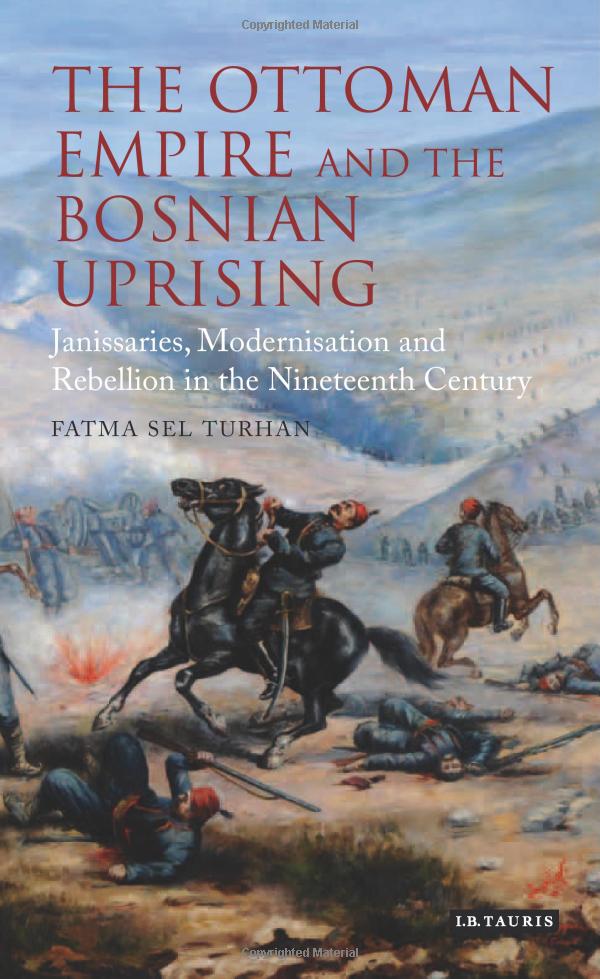
The Ottoman Empire and the Bosnian Uprising
Janissaries, Modernisation and Rebellion in the Nineteenth Century
Author(s): Fatma Sel Turhan
Reviewed by: Abdullah Drury
Review
In her fascinating new study Dr. Fatma Sel Turhan appraises the rebellions in Bosnia during the 1820s and 1830s from Bosnian and Ottoman documents, and offers new historiographical approaches with which to comprehend the land and the period, and a much under-researched series of events. Turhan holds a PhD in History from Boğaziçi University in Turkey and her corpus to date has focused on the notoriously labyrinthine and Byzantine field of Balkan history. In this tome she asks all the right questions and provides excellent answers. Within the Ottoman Empire the territories of modern Bosnia at the time benefited from a singularly unique legal status owing to its geographic position as a border region with the increasingly potent Austrian Empire. Many of the famed Janissaries came from (and often retired to) Bosnia and when the Turkish Sultan Mehmet II formally abolished this archaic military institution in 1826, rebellions of various sizes rippled across the region where it was felt these changes would undermine their particular privileges and autonomy. Ultimately a rebellion temporarily evicted official functionaries and representatives of the Devlet-i Aliyye-i Osmâniyye but the uprising was effectively ended when the Ottoman army entered the territory and several minor rebel leaders were bought off or defected to serve the Sultan. Basically Turhan argues that Muslims of all strata of society in Bosnia were weary of efforts to effect reform and centralise imperial power, and almost universally and consistently perceived such policies negatively.