Short Reviews
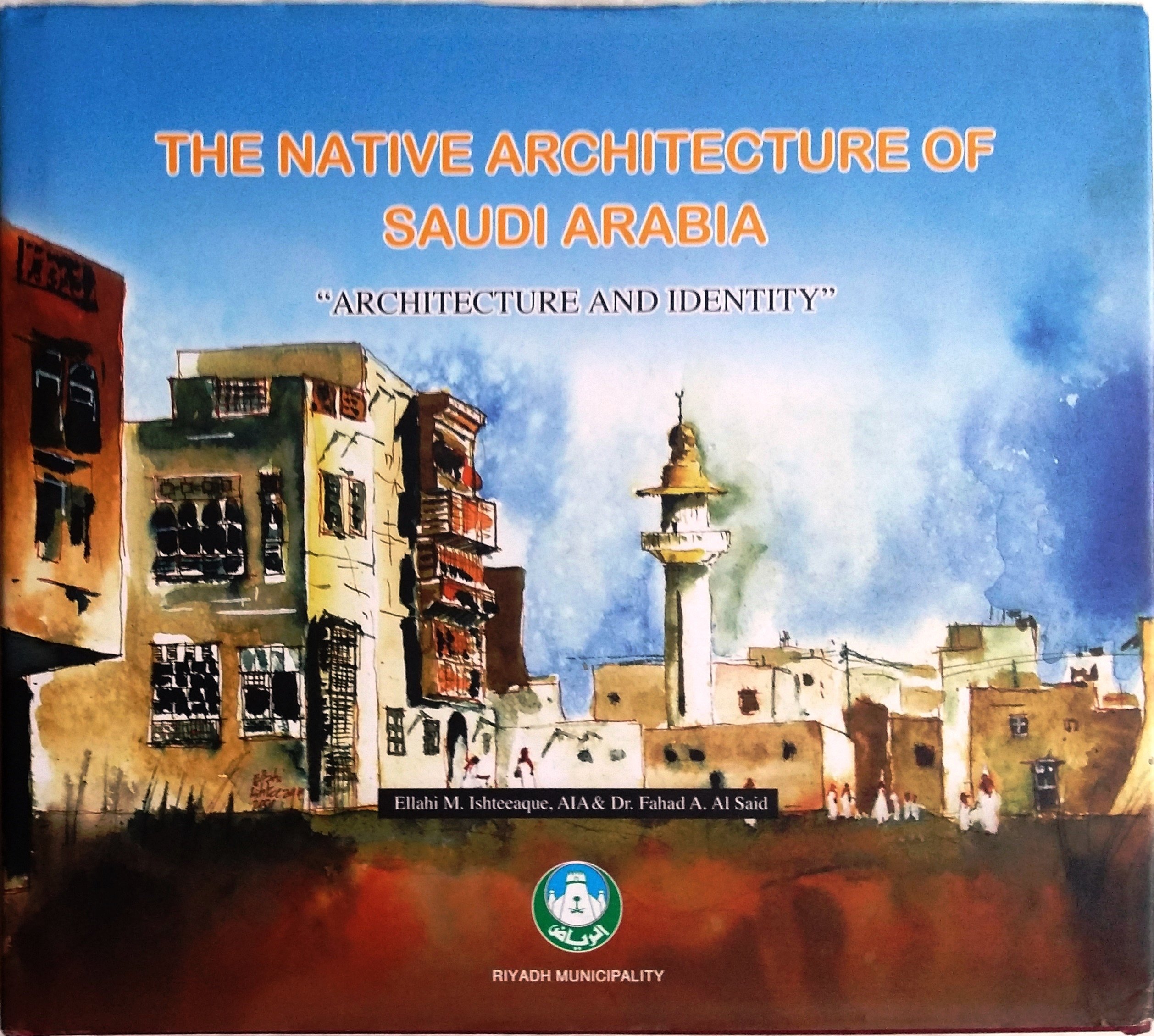
The Native Architecture of Saudi
rchitecture and Identity
Author(s): Ellahi M. Ishteeaque & Fahad A. Al-Said
Reviewed by: Omar Khalidi, Aga Khan Program, MIT
Review
This handsomely produced, impeccably researched book is a joy to read. The authors—the first is a US-trained Pakistani American architect and professor and the other is a Saudi architect and writer—have pooled their particular education and training to write an eminently readable book. The focus is on a topic infrequently researched. For the most part, foreigners have written about the architecture and urbanism of the Muslim world. It is therefore heartening to note that Saudis and expatriate professionals with long residence in the region are turning their attention to this topic.
The book is divided into nine chapters, with a concluding discussion and a bibliography. The opening first chapter naturally begins with a background of Arabian history, geography, climatic conditions and construction techniques— all very critical in placing the subject in its context. Then the chapters take a regional view, focusing on the architecture of regions like Najd, Hijaz, Asir, Najran, the northern areas, the eastern region bordering the Persian Gulf coast. Each chapter is illustrated with photographs, drawings, diagrams, sketches, sections, plans, water colours—visual aids essential in any architectural work, for an overall picture worth a thousand words. Each chapter has either main points numbered, or a summarized discussion to enable quick comprehension. Within each chapter the authors have given most attention to domestic/ residential architecture of various forms of houses and the context within which they are found whether in the city or village. The authors have paid good attention to bastions and fortified dwellings inhabited by the traditional chiefs of clans and families. Surprisingly, I noticed that not much attention is given to civic or religious architecture despite the profusion of mosque predating the oil era.