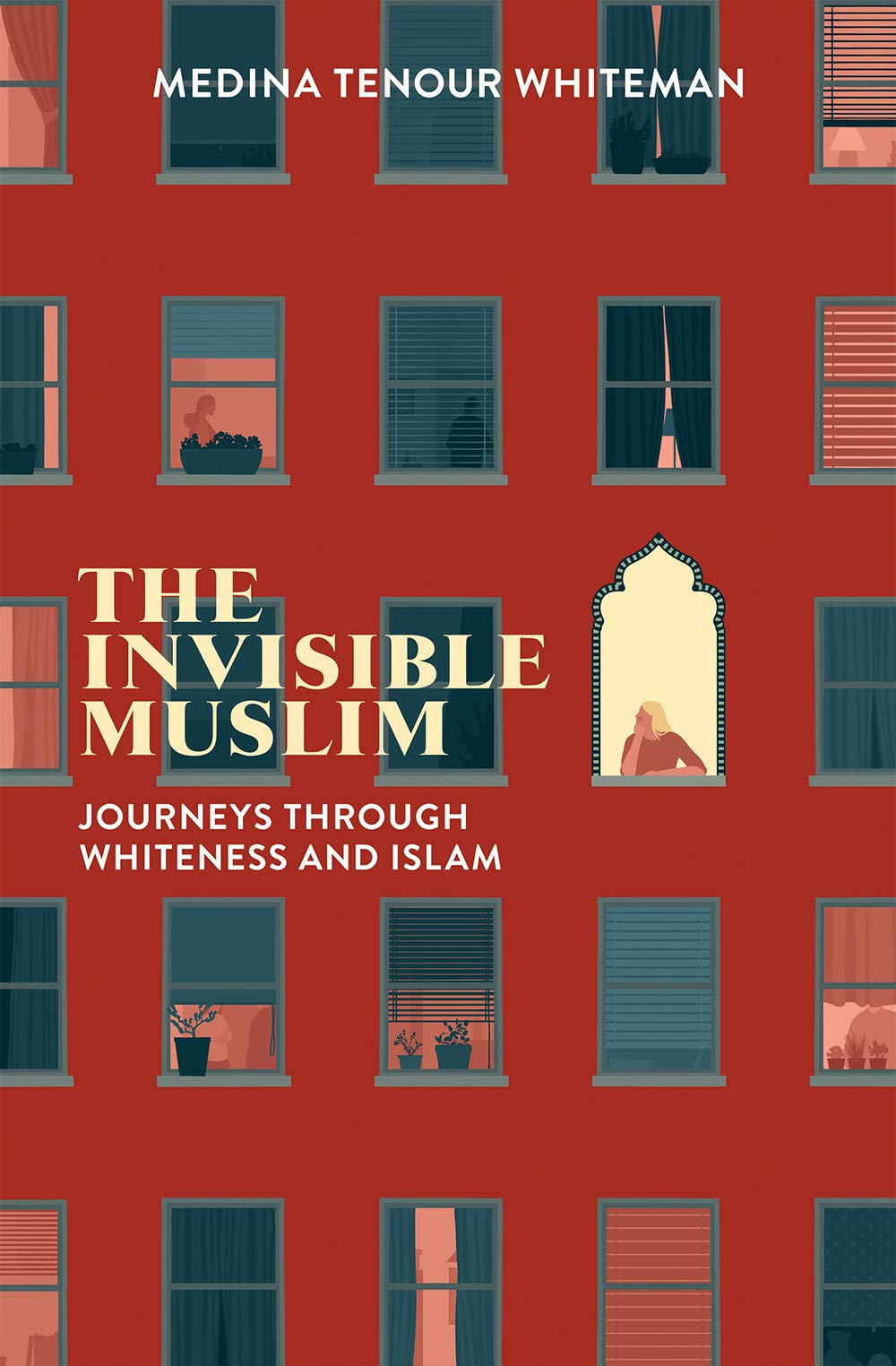
Islam and the West
The Invisible Muslim
Journeys Through Whiteness and Islam
Author(s): Medina Tenour Whiteman
Reviewed by: Ruqaiyah Hibell
Review
The spiritual trajectories of children whose parents enter Islam have received minimal attention within the field of religious conversion to Islam. Little is known about the experiences and lives of these offspring and the literature on this subject is scarce, particularly regarding the extent to which they accept or maintain the path trodden by their parents, and how or whether Islam is retained or embodied within their own lives. The experiences of the children of converts are likely to significantly differ from those of their parents, and their relationship to Islam may bear little resemblance to that offered by their mothers or fathers. Many such lineages are coupled to parentage of dual heritage, which adds further dynamics to the complex layers of identity and issues relating to securing a sense of belonging. The latter are inevitably negotiated as they straddle an infusion of religion, cultures and intergenerational disparity, along with balancing relationships with extended family members who may or may not be Muslim, and the unsettlement and additional questioning which these embellishments may induce. It also leads one to ponder on the extent to which children, who have one or both parents as ‘converts’ to Islam, differ from those whose parents and extended families are born into the faith in terms of the religious and cultural input into the family and how this may impact on the internalisation and retention of faith and spiritual identity