Islam and the West
The Headscarf Controversy
Secularism and Freedom of Religion
Author(s): Hilal Elver
Reviewed by: Ruqaiyah Hibell
Review
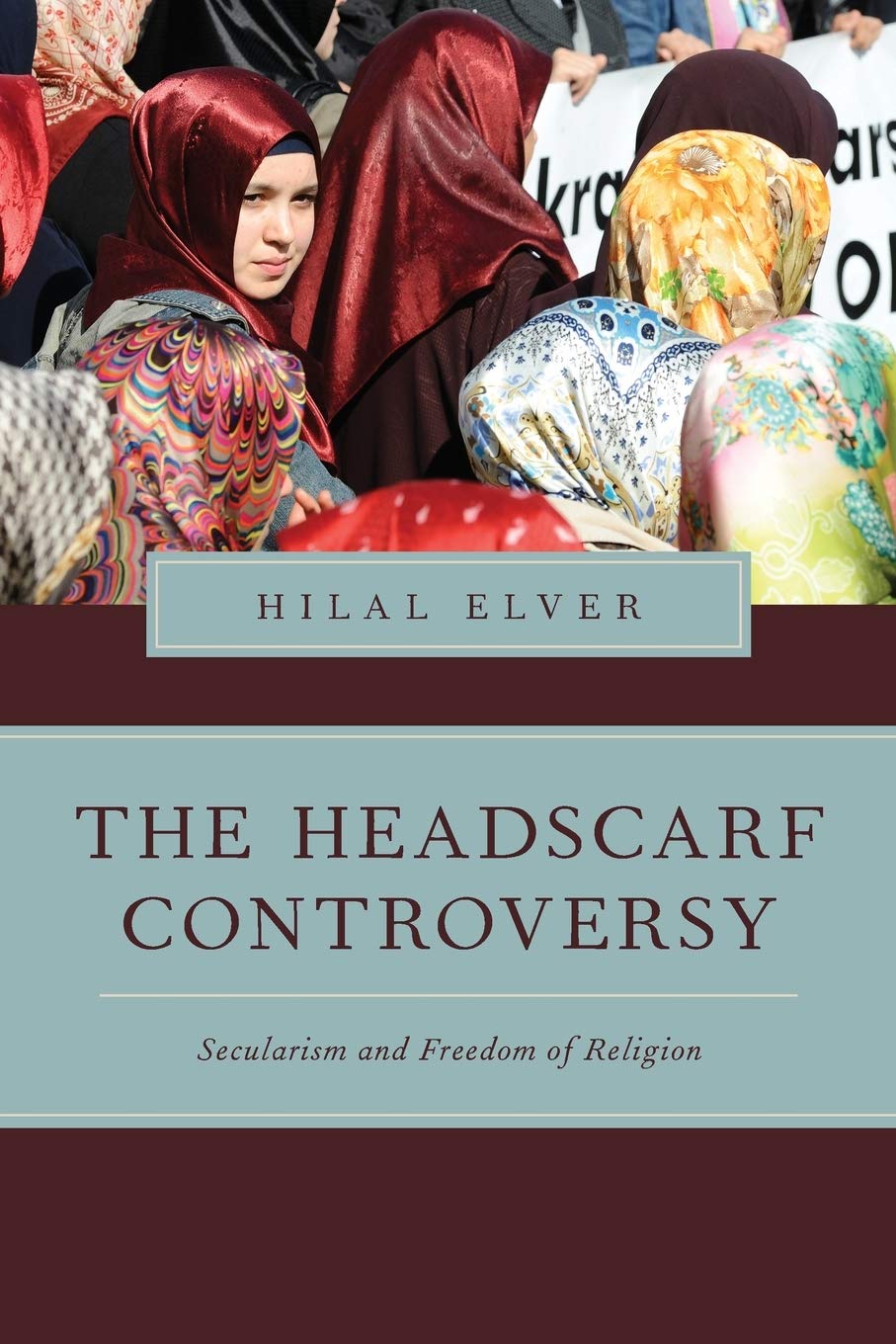
Social and political reaction to the headscarf has become a litmus test for how Islam is perceived in Western states. Through discourse surrounding the extent to which forms of Islamic dress can be proscribed, Europeans and Americans project their prejudices and fear of Islam using the vehicle of women’s clothing. The politicisation of the headscarf as a proxy for channelling debate about the place of Islam in Europe and America has contributed to a tide of intolerance against Muslims along with a disproportionate response to its display in public by a number of European states. Here, legislation has been enacted which effectively compromises and curtails a women’s autonomy over a most fundamental choice, the freedom to present themselves according to religiously determined standards of decency in contemporary society. At the global level, the headscarf has come to embody a clash of seemingly incompatible ideals; the fallacious struggle between Islam and the West, between secularity and religiosity, known as the ‘flag of Islam’, emblematically located on the heads of women. Secular discourse serves to denigrate religiously observant Muslim men through their advocacy and support for the headscarf, which is used as evidence of compulsion, misogyny and male oppression of women, and which serves to justify prohibitions on public displays of the headscarf. This becomes a smokescreen through which attempts are made to curtail the dissemination of Islam and inhibit its permeation of Western society.