Contemporary Muslim World
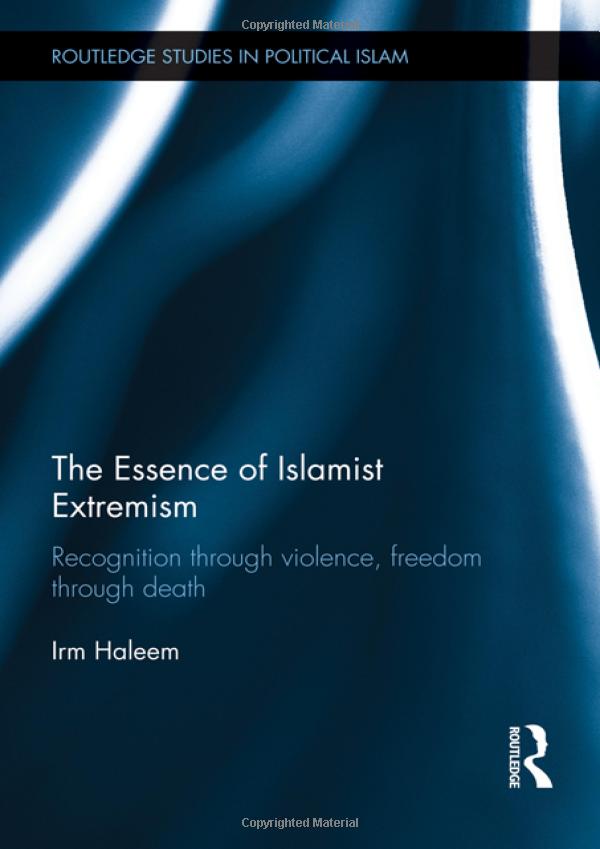
The Essence of Islamist Extremism
Recognition through Violence, Freedom through Death
Author(s): Irm Haleem
Reviewed by: Christopher Anzalone
Review
How “Islamic” is the extremism and militancy of militant Muslim groups and movements? Irm Haleem, argues that in essence, acts of violence carried out by some militant actors are not particularly “Islamic”. Rather, she argues that their acts of violence are most accurately seen in Hegelian terms as acts of defiance and a bitter struggle for recognition from the dominant party. The relationship between militant Islamic actors and the dominant powers in the world, such as the United States, is in line with Hegel’s master and slave dialectic, with the militants in the role of slaves. As “slaves”, the militants seek to achieve recognition from the “master” by perpetrating acts of violence as revenge on the master’s cruel repression and, thereby, earn recognition as full human beings rather than objects. The militants’ violence is seen as the only effective way of achieving this recognition from the “master.” In Haleem’s view, this is the core purpose of the militants’ actions and is the “essence” of Islamist extremism, whereas their invocation of Islamic symbols, motifs, and historical references represents what she calls the “instrumentality of religion” rather than the “essence” of Islam.