Contemporary Muslim World
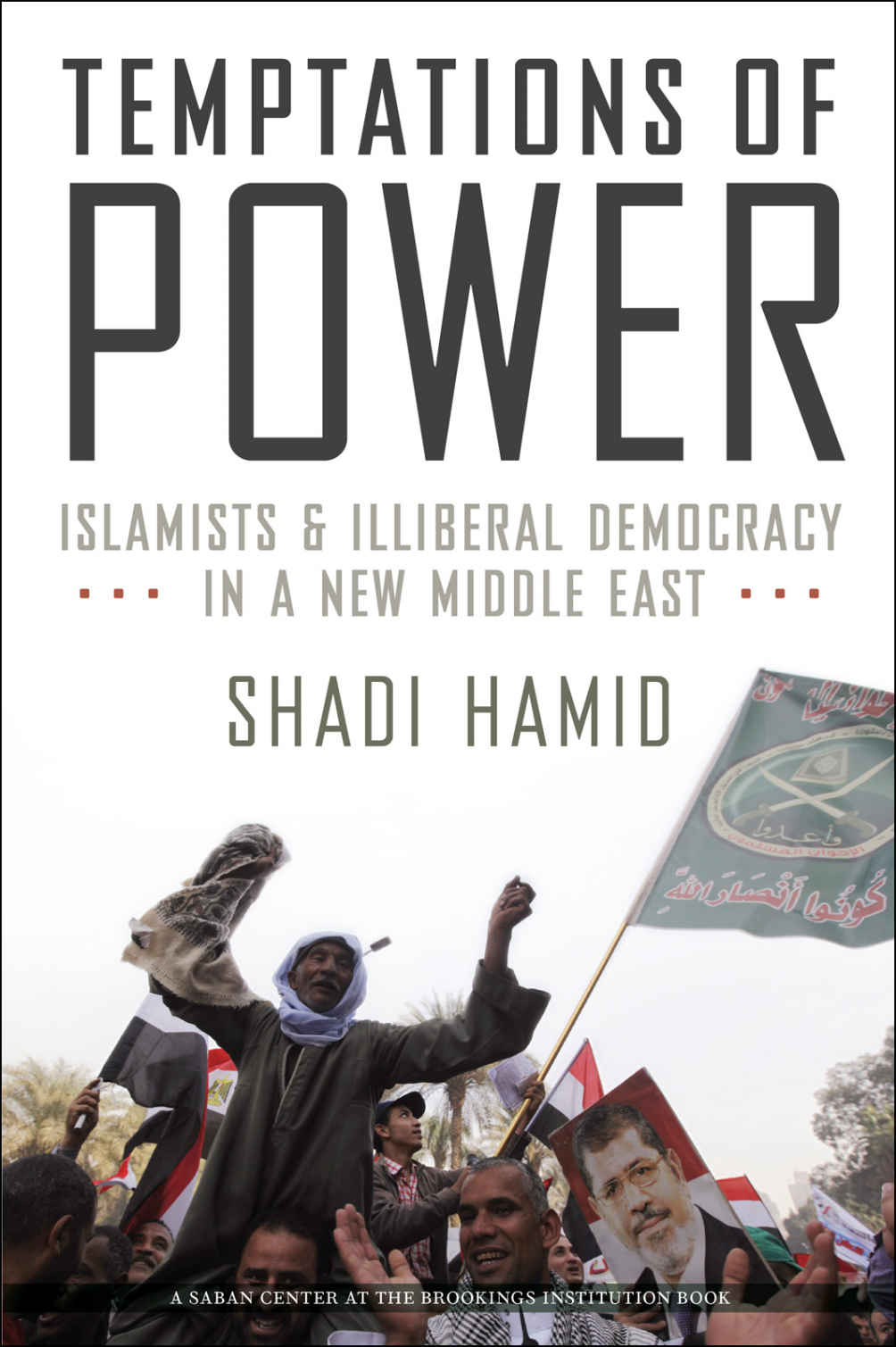
Temptations of Power
Islamists and Illiberal Democracy in a New Middle East
Author(s): Shadi Hamid
Reviewed by: Anis Ahmad
Review
The relationship of hate and love existing between the Islamists involved in political struggle and other stakeholders, including the West in general, has been paradoxical, enigmatic, often inconsistent and perplexing. The Islamists, in the cold war period, accepted the capitalist block as a lesser evil. While no ambiguity ever existed in the mind of western nations and the former Soviet Union about the unacceptability of the Islamists in the seat of power. The recent history of over eight decades in the Middle East is evidence to this fact. With all its lofty claims to democratisation, women empowerment, minority rights, rule of law and so on, the West has been offering full financial and military backing to the army and civilian dictators, Kings and unpopular rulers of the Middle East in order to avoid the Islamist threat. The post 9/11 media projection of Islam and the Muslims has further reenforced the notion that the Islamists are not welcome because, presumably, they are potential terrorists, fundamentalists and enemies of the West. Academia, as part of society, cannot claim to be immune to this perception. It has been equally influenced by a biased social milieu. At times, academia too has been involved in the spread of this distorted image of the Muslims, Islam and the Islamic movements.