Contemporary Muslim World
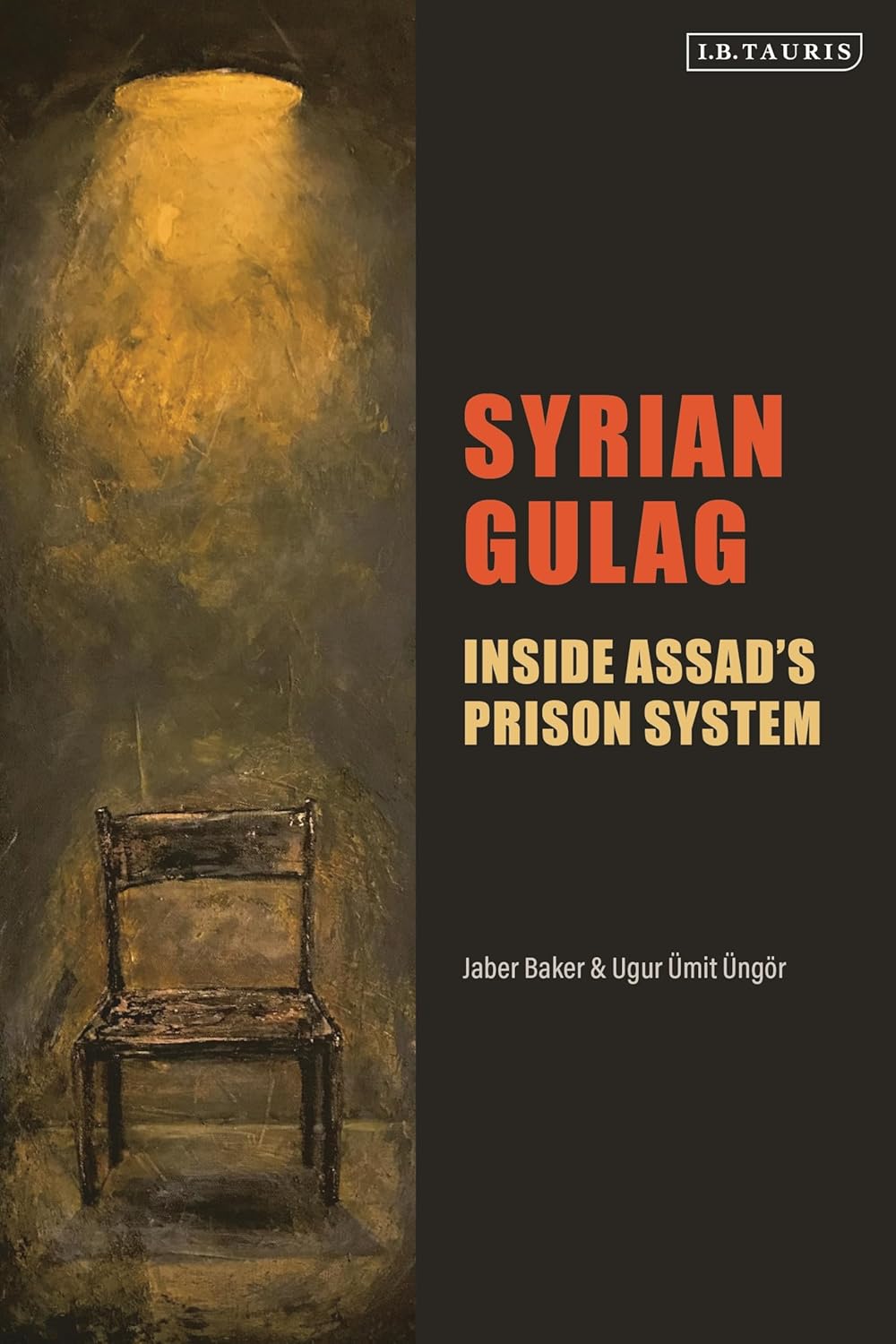
Syrian Gulag
Inside Assad’s Prison System
Author(s): Ugur Ümit ÜngÖr
Reviewed by: Mushtaq Ul Haq Ahmad Sikander
Review
Reviewed by: Mushtaq Ul Haq Ahmad Sikander, Srinagar, Kashmir
Published by: London: I.B Tauris & Co. Ltd, 2023, 416pp. ISBN: 978-0755650200
- - - - - - - - - - - - - - - - - - - - - - - - - - - - - - - - - - - - - - - - - - - -
Prisons are important institutions for any polity. They can also be used as structures that represent the punishing praxis of a system that does not tolerate dissent, diversity of opinions or electoral process and democratic pluralism. Prisons in civilized societies are supposed to be reformatory centres, so that once the prisoners can integrate well in society after serving their terms. However, it is rare to find prisons functioning as institutions of reform. Instead, inmates can become radicalized and hardened criminals during their incarceration.
Prisons are conceived to keep the bad elements of any society locked up. However, those who are imprisoned also include political dissidents who want to replace the existing political order with something better. This is particularly true in any dictatorship, because dictators rule by perpetuating fear among the masses.