Philosophy and Spirituality
Sacred Spaces
Journey with the Sufis of the Indus
Author(s): Samina Quraeshi
Reviewed by: Yoginder Sikand, New Delhi
Review
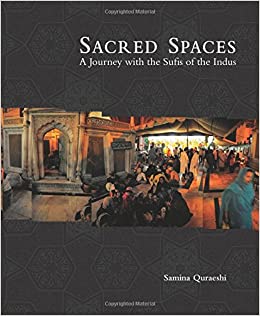
Literally hundreds of tomes have been penned till date on South Asian Sufism, sometimes misleadingly translated as ‘Islamic mysticism’, purporting to explain its beliefs and doctrines and detailing the lives and teachings of individual Sufi masters. This coffee-table book provides a broad overview of the origins and development of Sufism in South Asia and highlights its continuing salience and relevance in today’s context that is characterized by the emergence of several competing or alternate forms of Islamic expression. The book’s absorbing and informative commentary is accompanied throughout with excellent photographs of Sufi shrines and of worshippers engaged in various rituals that bring to light the overpowering beauty and sheer complexity of the multifaceted lived traditions of South Asian Sufism.
This book is divided into two broad sections. The first section consists of three essays, each by a noted scholar of South Asian Sufism and Muslim history. In his essay, titled ‘Images of South Asian Sufism’, Ali Asani points out that, in the absence of a central Church, an overarching religious authority that can lay down the authoritative or orthodox position on any matter, Islam is characterized by tremendous diversity of understanding, interpretation and expression. This points needs to be underscored to resist the common-enough tendency to view and project Muslims and Islam as singular monoliths, a facile assumption that informs negative images of Islam. Sufism is one among many forms of Islamic expression, Asani explains, and even within the broader Sufi fold there is tremendous internal variation. Asani contrasts Sufism with the legalistic tradition of madrasah-based Muslim clerics or Ulema to show the prominent differences between these two broadly-defined forms of Islam (despite some commonalities or overlapping features).