Islamic Thought and Sources
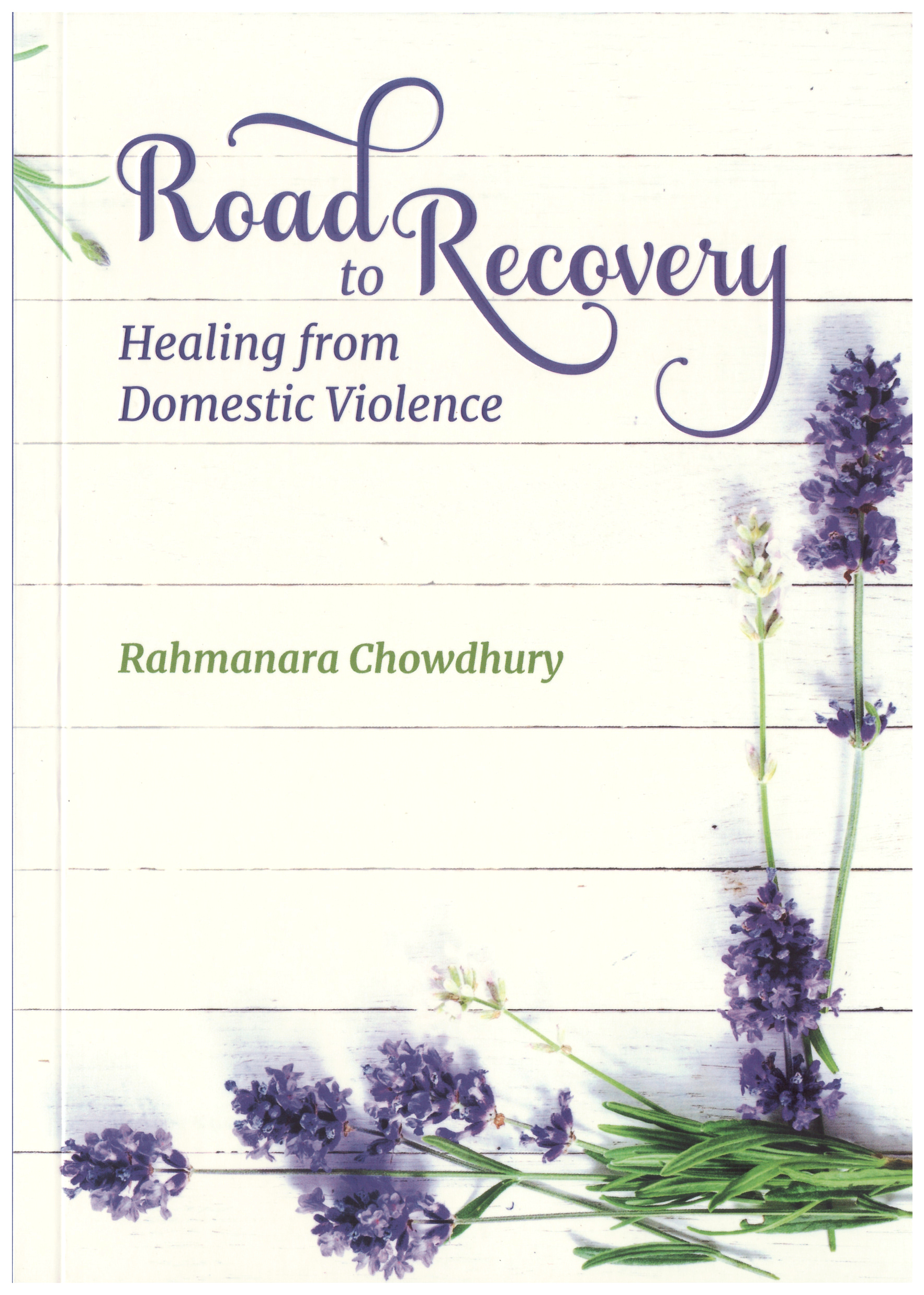
Road to Recovery:
Healing from Domestic Violence
Author(s): Rahmanara Chowdhury
Reviewed by: Mushtaq Ul Haq Ahmad Sikander
Review
Publisher: Ta-Ha Publishers Ltd, London: 2021, 143pp. ISBN: 9781842001066.
Domestic violence has assumed a pandemic status, but most of this violence remains invisible to the common eye, because it is perpetuated behind the secure walls of homes. Furthermore, most victims do not report this abuse. For these reasons few cases make it to the reporting stage. Given the misogyny and patriarchy prevalent among many societies, domestic violence grabs few headlines. The Muslim community is not an exception to this pandemic of domestic violence. This is despite the fact that Islam lays huge emphasis on gender equality while the Qur’an uses a gender neutral term of Zawj (couple/ spouse) to refer to the husband and wife. No partner is superior or inferior in a marriage according to Islam, although the responsibilities of the husband and wife may differ. The Prophet (blessings and peace be upon him) never physically abused or mentally tortured any of his wives, but some Muslim scholars have interpreted a few Qur’anic verses and sayings of the Prophet (blessings and peace be upon him) in a way that legitimizes a degree of violence against wives, even though this interpretation is rejected by numerous scholars.
This book under review is a result of the author’s engagement with women who were victims of domestic violence. It is a pragmatic endeavour and a work in progress. The author engages mostly with the theme of domestic violence within marital relationships. But domestic violence has many other dimensions and aspects and is not confined to marriage only. One form of abuse that the author has highlighted is spiritual abuse, which the author should have engaged with more holistically and offered more insights into it.