Contemporary Muslim World
Pashtun Identity and Geopolitics in Southwest Asia
Pakistan and Afghanistan Since 9/11
Author(s): Iftikhar H. Malik
Reviewed by: Imran H. Khan Suddahazai, Markfield Institute of Higher Education, UK
Review
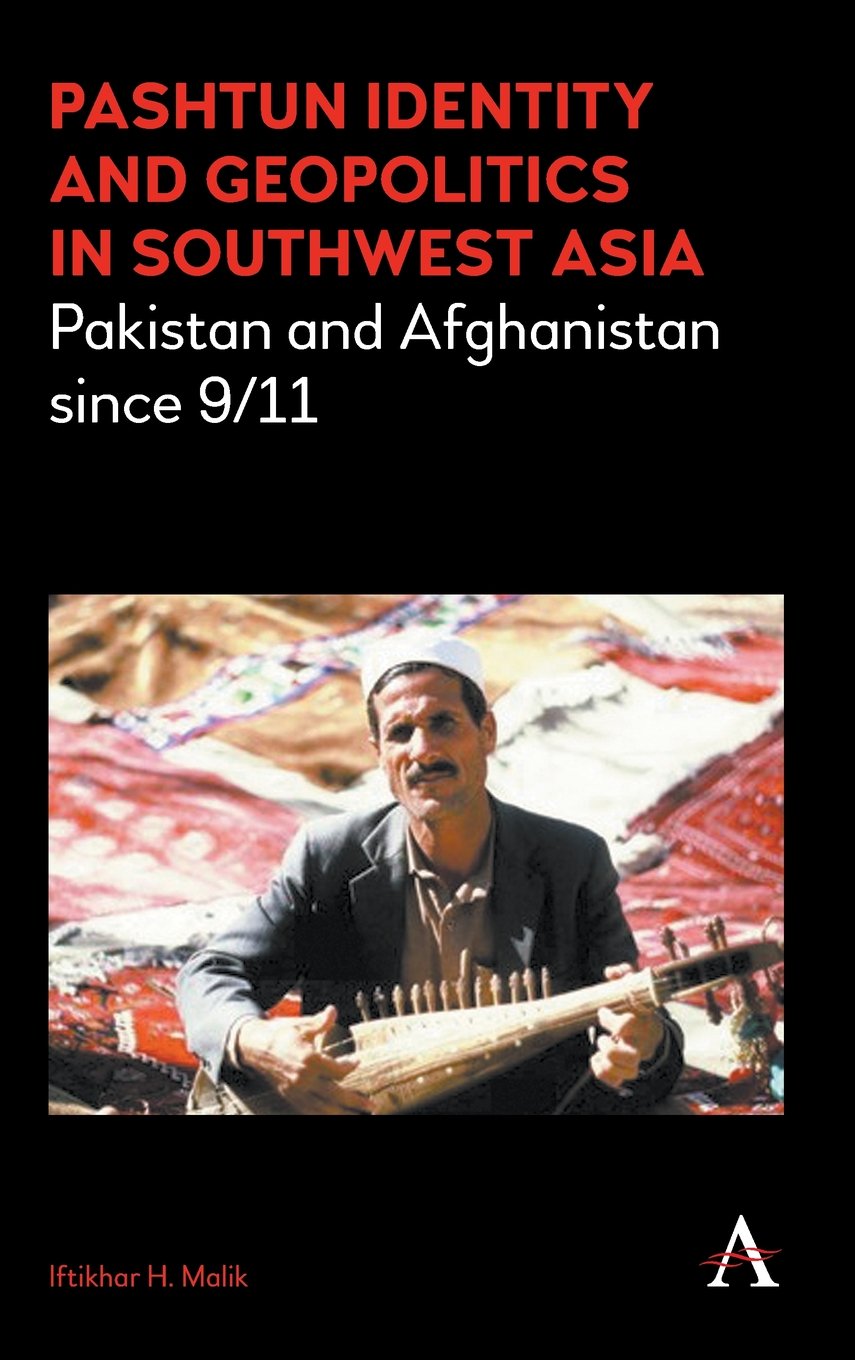
A profound influence of 9/11 has resulted in a proliferation of intellectual curiosity and publications about the geopolitical consequences of Southwest Asia. Professor Malik’s contribution to an already burgeoning area of research provides an extremely nuanced and insightful analysis. In essence, he argues for a change in approach, perspective and methodology in attempting to critically reflect upon the underlining tensions, conflicts and realpolitik in the border regions of Afghanistan-Pakistan. He suggests that researchers must gain an absolute appreciation for the region’s defiant historical culture that was developed within a vibrant, pluralistic, yet traditional, understanding of its faith and politics. This is a point, he contends, that is often and deliberately ignored or overlooked by the neo-orientalist narrative. Instead of extolling the diversity of the 5000–year old civilization of the Indus valley, the ‘Gandhara’, the gateway to Asia, the narrative is fixated upon an ahistorical rendering of the ethnic Pashtuns of the Taliban.