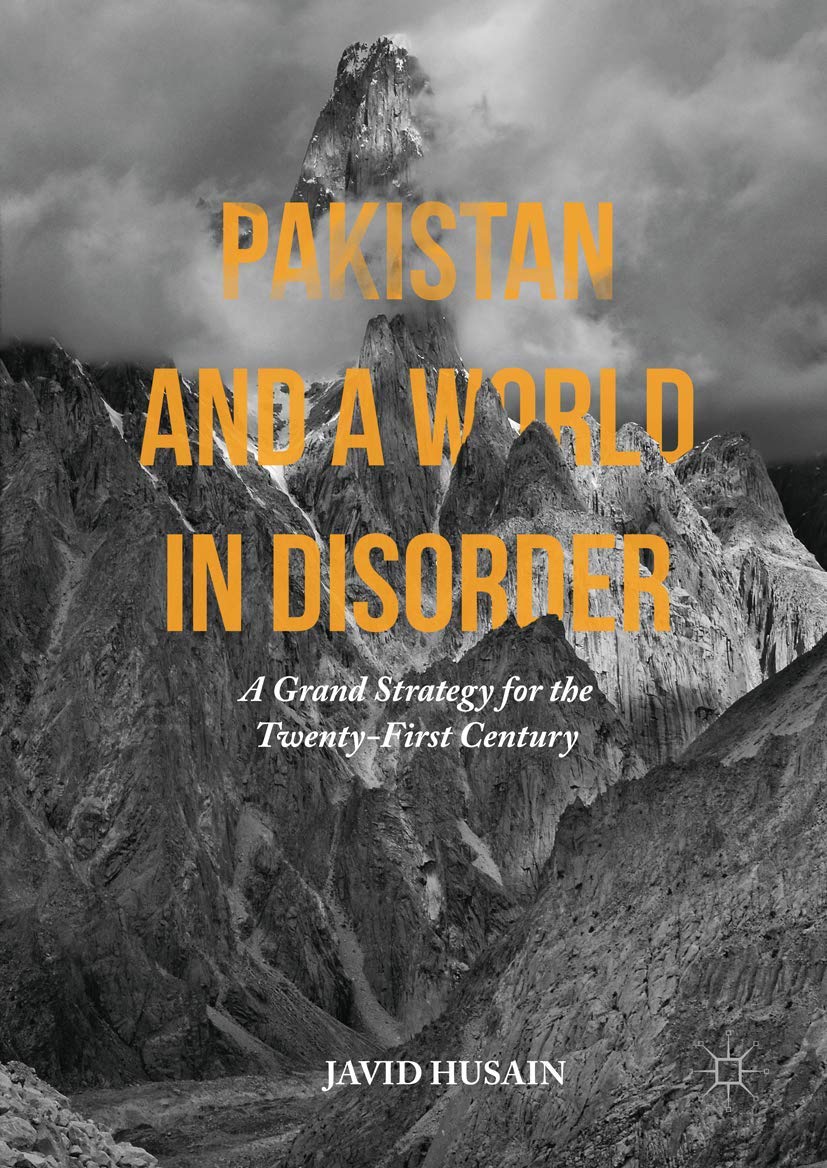
Contemporary Muslim World
Pakistan and a World in Disorder
A Grand Strategy for the Twenty-First Century
Author(s): Ambassador Javed Hussain
Reviewed by: Anis Ahmad
Review
Pakistan’s location at the intersection of South Asia, Central Asia and West Asia makes it, geopolitically speaking, a highly strategic country. Ruled by the British imperialists for almost two hundred years, as a part of the SubContinent, Pakistan’s historical and cultural links always remained closer to the Central Asian region, including Iran, Turkey, Afghanistan, the Central Asian republics, Azerbaijan and China. Pakistan is also an active partner in ECO and SAARC. In chapter one, the author refers to Pakistan as culturally belonging to the Muslim world. Indeed, with its 97% Muslim population and historic relations with Turkey, Iran, Afghanistan and Central Asian republics, it shares with these a common value system, worldview and religious commitment. The country faced a serious crisis in 1971 when a major part of its territory, East Pakistan, seceded and became known as Bangladesh, due to the mismanagement and unfairness of Pakistani rulers and the direct intervention of India. This was a serious ideological and demographic shock, yet the country continued to face other challenges and soon emerged as the only nuclear power in the Muslim world....