Religion, Islam and the West
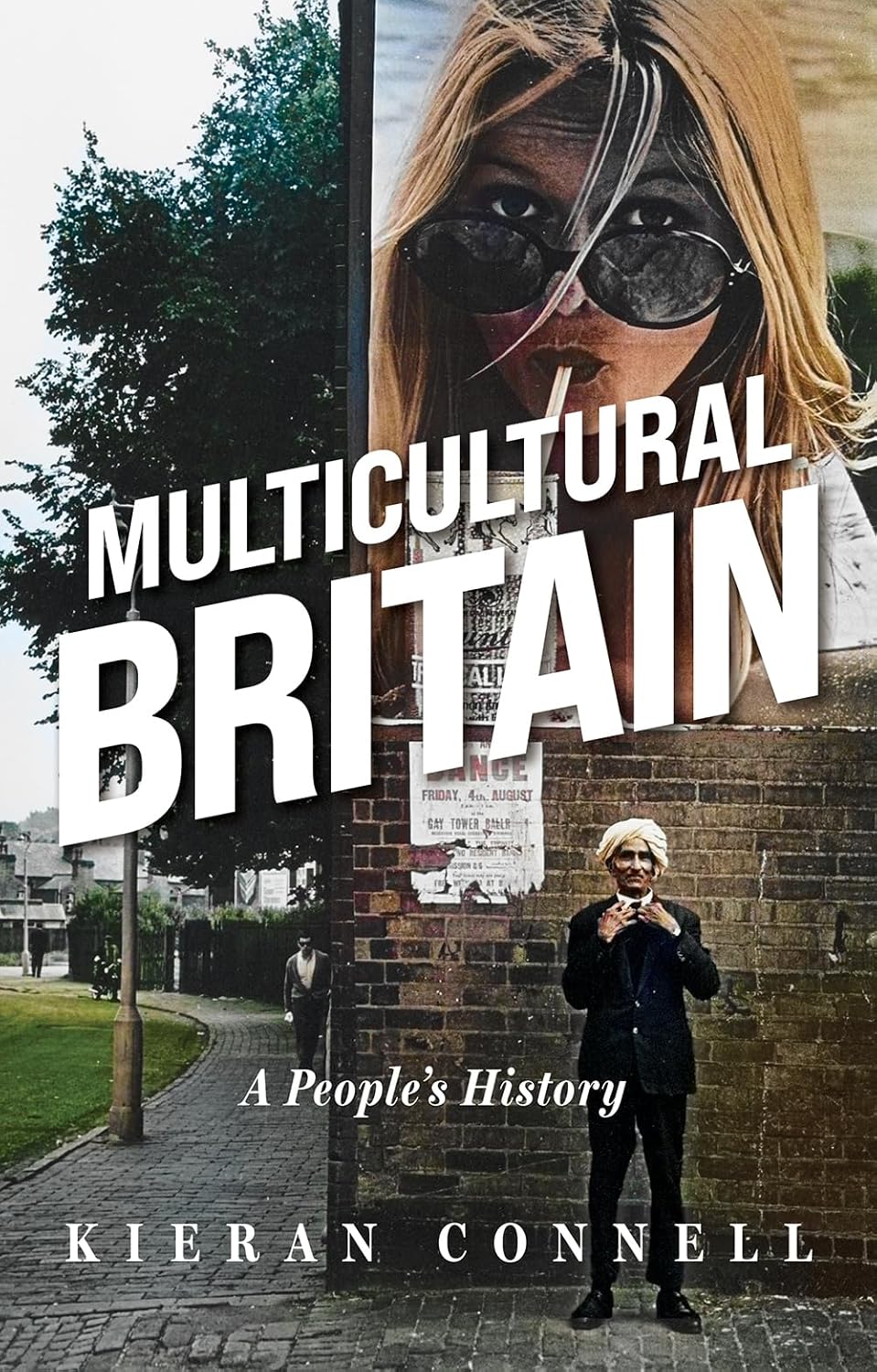
Multicultural Britain
A People’s History
Author(s): Kieran Connell
Reviewed by: Ibrahim Hewitt
Review
Reviewed by: Ibrahim Hewitt, Leicester, UK
Published by: London: Hurst, 2024, 395pp. ISBN: 978-1911723516.
- - - - - - - - - - - - - - - - - - - - - - - - - - - - - - - - - - - - - - - - - - - -
Much of the debate about multiculturalism in Britain tends to revolve around the purported need for minorities to adopt a set of “British values” defined loosely by the government to be taught in schools: democracy, the rule of law, individual liberty, mutual respect and tolerance of those with different faiths and beliefs. The other mythical creature in this debate is “British identity”. What is it? Who defines it?
In simple terms, identity in the British context reflects the complexity of the nation and the diversity of the people living in Britain. The matter is complicated further by the fact that “Britishness... [is] often a smokescreen for Englishness” (Philip Dodd, The Battle over Britain, Demos, 1995, p.44). Most of us in Britain have multiple identities, one or more of which might be shared with others. I am British by nationality, for example; English, Northumbrian and Geordie by birth; Muslim by choice. Perversely, many would argue that the latter makes me an outsider. Really?
Religious and political dissent has helped to make Britain what it is today, and yet dissenters are still reviled as “outsiders”. According to Kieran Connell in the book under review, there is an almost inevitable “pain” about this status. His maternal grandmother was German-born: “No one knows better than I,” she wrote, “the... alienation from a society in which one has at all costs to make one’s way in order to survive” (p.271).