Islam and the West
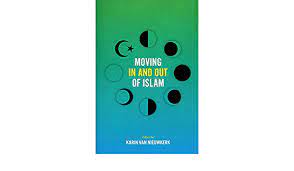
MOVING IN AND OUT OF ISLAM
Author(s): Karin van Nieuwkerk
Reviewed by: Ruqaiyah Hibell
Review
Entering Islam signifies a state of acceptance. The term ‘conversion’ is commonly applied to represent this stage of spiritual connection to God. Although as a description, ‘conversion’ is inappropriate, clumsy and fails to capture the sense of such a journey towards the divine. The notion of being a ‘convert’ serves to antagonise many people who embrace Islam, allocating them within sub-categories of Muslims by creating distinctions between those born into the faith and those who adopt it – which offers a sense of perpetual transition, incomplete development and ‘outsider’ status. Yet, it is widely applied because other terms are more long winded, or equally inadequate.
Once a commitment to Islam has been made, the person becomes a Muslim and the concept of ‘a convert’ is redundant, because the shahadah has been performed, and the act of conversion has taken place. In contradistinction, apostasy as a concept is also contentious - who and what is an apostate? The term emits stronger connotations than disbelief. At what point of lapse or rejection is someone deemed to have left their faith? Some early Muslims would signal a rejection of faith as the failure to perform a single obligatory prayer, whereas it is less likely to be viewed in such absolute terms today. More broadly, apostasy equates to treasonable acts against the Muslim state, rather than subjective perceptions of personal lapses of faith, although globally severe penalties remain in place.