Islam and the West
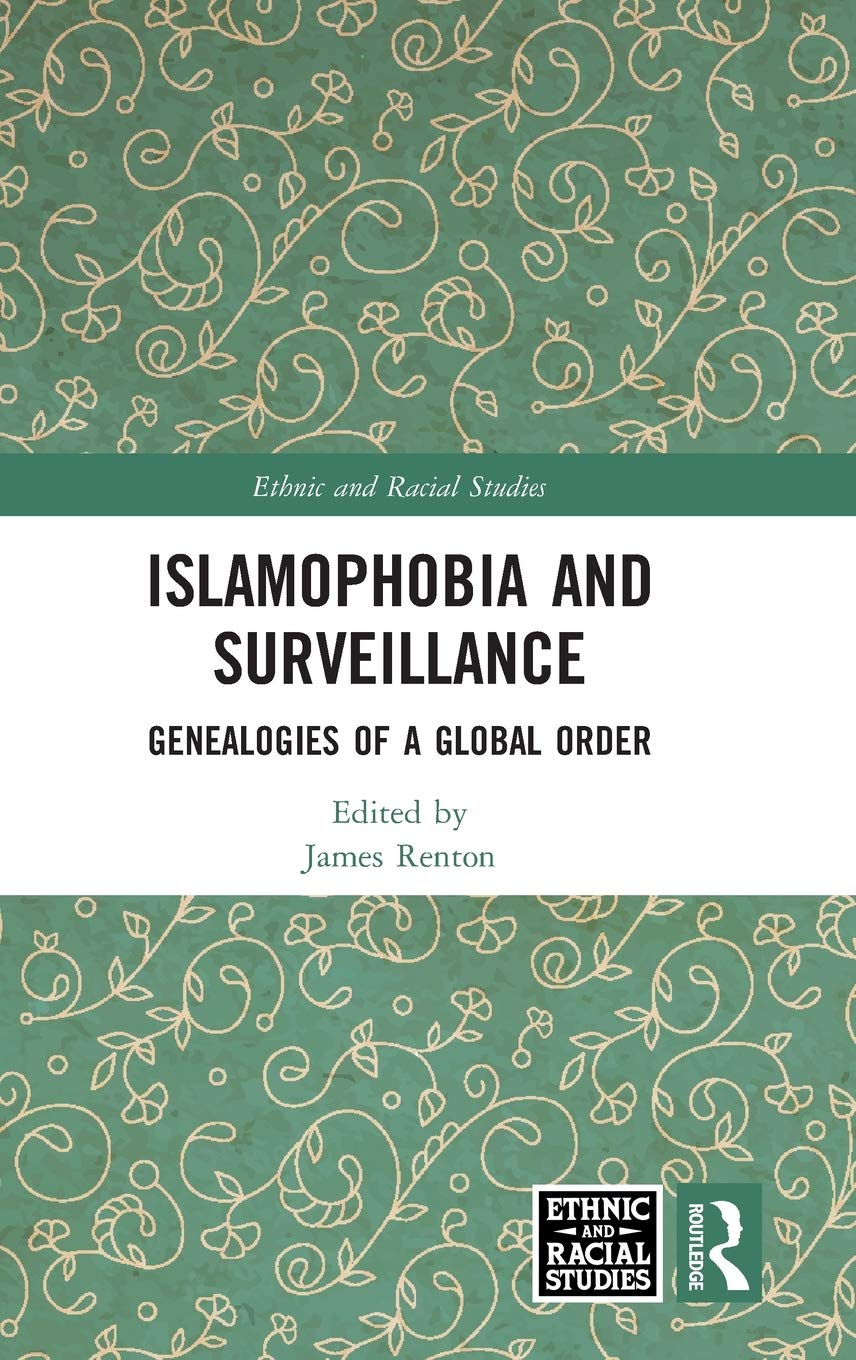
Islamophobia and Surveillance
Genealogies of a Global Order
Author(s): James Renton
Reviewed by: Haroon Bashir, Markfield Institute of Higher Education, UK
Review
After the fall of Andalusia in 1492, Muslim communities across the Iberian Peninsula were subjected to increased surveillance and control from Castellan and Aragonese forces. ‘The Catholic Monarchs’ implemented measures that forbade Muslim dress, prohibited the ritual slaughter and ordered the burning of Muslim literature (Kettani, 1997). As Muslim populations were forcibly converted or expelled from the region, historical narratives suggest that in order to survive, Muslims were compelled to eat pork, consume alcohol and abstain from their daily ablutions/prayers in order to conceal their ‘Muslimness’. Any perceived link to Islam led to increased surveillance, suspicion, and potential violence, as the spectre of ‘the Muslim’ came to haunt the imaginary of Christian Spain.