Islamic Economics and Finance
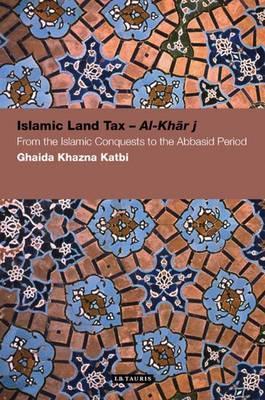
Islamic Land Tax – al-Khara
from the Islamic Conquests to the ‘Abbasid Period
Author(s): Ghaida Khazna Katbi (translat- ed from the Arabic by Razia Ali)
Reviewed by: Muhammad Abdul Jabbar Beg, Cambridge
Review
In this comprehensive study of al-Kharaj, the Islamic land tax, Ghaida Khazna Katbi presents an overview of the economic history of the Islamic state from the reign of [Umar ibn al-Khattab to the reign of al-Mutawakkil [ala Allah. The author takes into account not only historical and legal sources but also literary, geographical, biographical and genealogical works. This study revolves around two main taxes, al-Kharaj (land tax) and Jizyah (capitation tax) from the 7th to the 9th centuries A.D. and covers three regions, the Sawad (lower Iraq), Syria and Jazirah. The territory of Jazirah is defined as the area lying between the Tigris and the Euphrates (p. 5), including Hadithah, al-Mawsil, al-Anbar and Tikrit in the south and Jazirat Ibn [Umar. Despite this clear definition, the Jazirah is mistaken for the Arabian Peninsula on page xi. Syria (or al-Sham) comprises Damascus, Hums, Hamah, Aleppo, Qinnasrin, Jordan, Bursa, Hawran, al-Raqqah and al-Ruha (Edessa). On the other hand, the Sawad comprised the rural territories of Basrah, Kufah, Wasit and Samarra’.