Islamic Economics and Finance
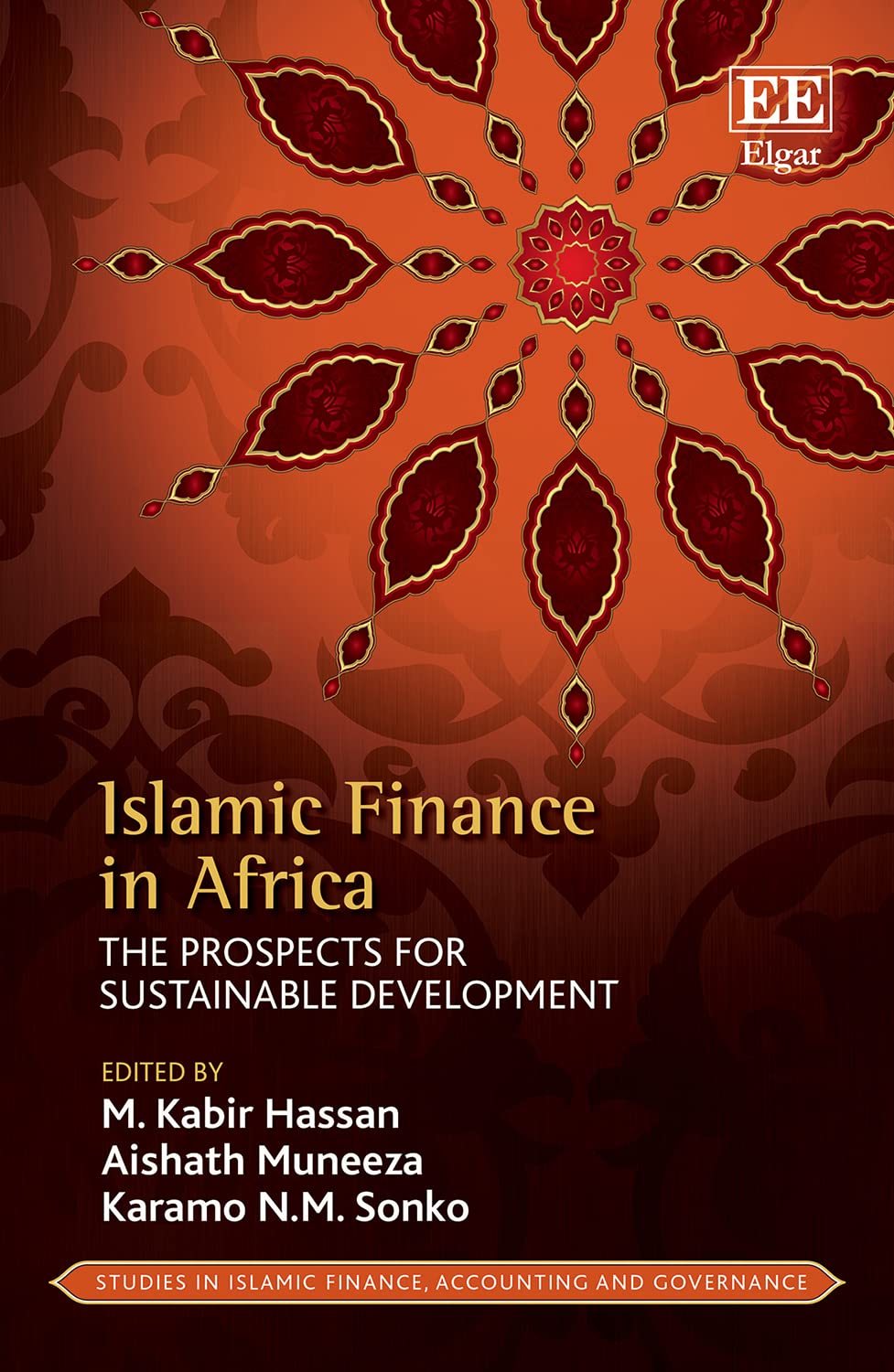
Islamic Finance in Africa
The Prospects for Sustainable Development
Author(s): Aishath Muneeza & Kabir Hassan & Karamo N.M. Sonko
Reviewed by: Abdelkader Chachi
Review
Reviewed by: Abdelkader Chachi, Sabahattin Zaim University, Turkiye
Published by: Cheltenham, UK: Edward Elgar Publishing, 2022, 358pp. ISBN: 978- 1802209891.
Edited by: Kabir Hassan, Aishath Muneeza and Karamo N.M. Sonko.
- - - - - - - - - - - - - - - - - - - - - - - - - - - - - - - - - - - - - - - - - - - -
Even though not very well known or practised in Africa, Islamic finance has a huge potential for development in the African continent and may have a great impact on its various economic sectors and result in sustainable benefits for all African communities.
The seed of Islamic banking and finance germinated in Algeria in the late 1920s and in Egypt in the early 1960s, but the assets of Islamic banking and finance are concentrated in the Middle East and the Far East, accounting for more than 80 percent of the industry assets. Over the years, stakeholders from traditionally non- Islamic majority jurisdictions, including Europe and East Asia, have also entered the Islamic finance market or indicated their willingness to participate in Islamic financial transactions. Africa, with a very large Muslim population in particular, is a region in which Islamic finance could and, indeed should, thrive. Not only that but Islamic finance could make a significant contribution toward financial inclusion of the ‘unbankable’ population and the achievement of greater sustainable growth and development.
The Challenges for Islamic finance in Africa include low levels of banking inclusion, low public awareness, and limited domestic savings. However, some African countries have already started taking steps towards supporting the local uptake of this alternative financing mechanism. Among others, Algeria, Nigeria, Libya, Kenya, Senegal, Djibouti, Uganda, Morocco, Tunisia and South Africa, have all introduced legal and regulatory frameworks to promote the development of Islamic finance products in their respective jurisdictions.