Philosophy and Sufism
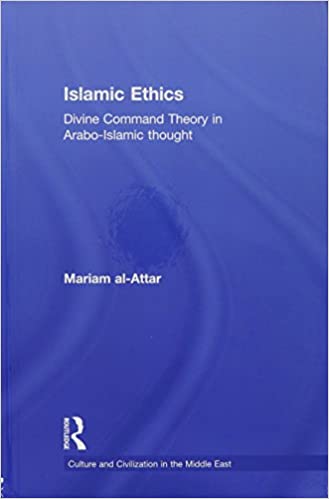
Islamic Ethics
Divine Command Theory in Arabo-Islamic Thought
Author(s): Mariam al-Attar
Reviewed by: Mohamad Nasrin Nasir
Review
Ethics and morality in religious traditions tend to be described as scripturalist
i.e. dictated in the scriptures, as in the Qur’an. Reason and rationality are not included in such description apart from the fact that reason itself is limited by the scriptures. As the effort of understanding scriptures falls into the hands of the learned class of particular religions, most ethical speculation on the origins of the idea of good, right, evil and wrong are determined by specific theological groups. In Islam, or in Arabo-Islamic thought as the writer terms it, this interpretation of religion goes as far back as the debate on freewill and predestination by the many theological groups within Muslim society. The debate of the Mu[tazilites and the Ash[arites as to the nature of the good proceeds from their distinct ways of approaching Islam.
Mariam al-Attar’s aim in her meticulous study here under review is to revive the study of ethics in Islamic philosophy. She believes that the tenets of justice are universal and preceed revelation which is similar to the argument put forward by the Mu[tazilites. Following other thinkers from the Sunni world who had turned to the Mu[tazilites in order to revive the Sunni tradition, the writer advocates the same goal with a more reasoned and systematic approach in setting up premises to support her conclusion. The premises, according to her, are based upon the development of Arabo-Islamic thought, the Qur’an, Hadith, all leading in ethics to a rejection of the divine command theory.