Contemporary Muslim World
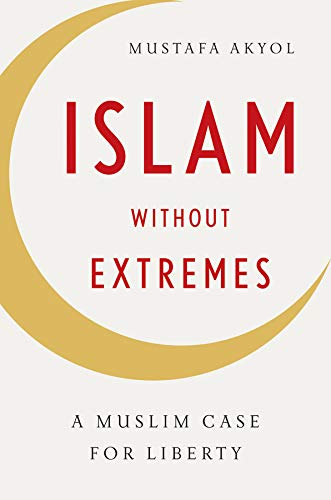
Islam without Extremes
A Muslim Case for Liberty
Author(s): Mustafa Akyol
Reviewed by: Mansur Ali
Review
Since the emergence of Islam on the modern political scene, starting from the Islamic revolution of Iran through the Rushdie Affair to September 11 and beyond, a plethora of apologetic literature, both popular and academic, was produced to balance the existing bias with regard to the public perception of Islam. The book under review attempts to go beyond apology. The author tries to show to the world that despite becoming synonymous with extremism, there is at least an interpretation of Islam which can conform to ideas of Western liberal democracy. The book is divided into three sections. Starting with autobiographical anecdotes, the author sets the tone of the book. As an eight year old, the author frequented his grandfather’s place to learn Arabic and the fundamentals of his religion. One day in his grandfather’s library he stumbled upon a prayer book which had three quotes written on the back. The two from the Qur’an deeply touched him whereas the one from the hadith (about beating children when they don’t pray) horrified and troubled him. He could not fathom his grandfather talking rudely to him, let alone beating him. Not satisfied with his grandfather’s explanation, the author, 30 years later, after extensive study of Islam, comes to realise that this oppressive mindset has permeated the core of Muslim scholarship and society. He asks, ‘is this what really Islam enjoins?’