Contemporary Muslim World
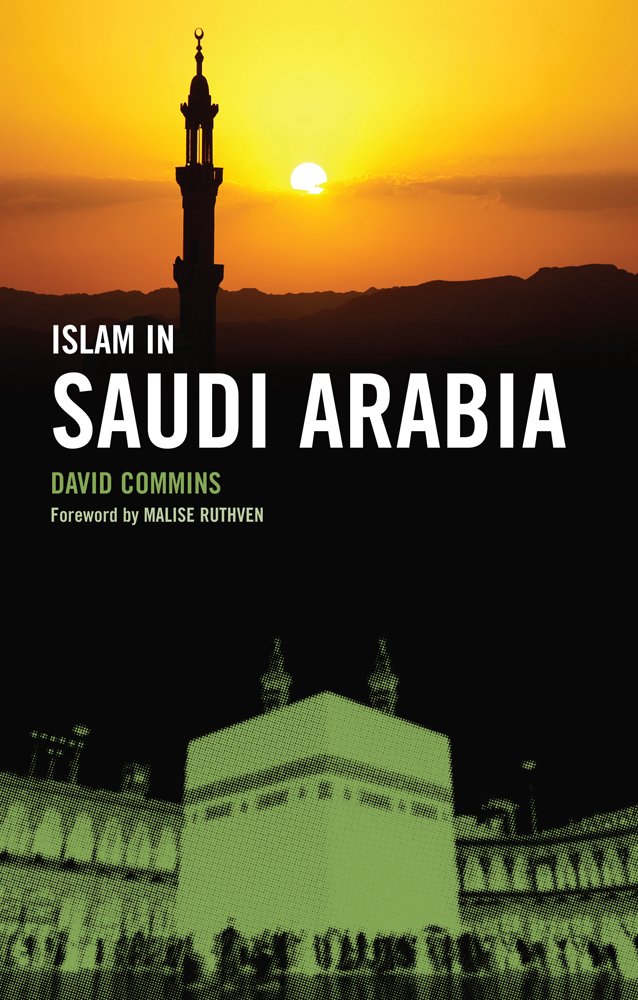
Islam in Saudi Arabia
Author(s): David Commins
Reviewed by: Murad Wilfried Hofmann, Bonn, Germany
Review
The author, David Commins, is professor of history at Dickinson College in Carlisle (Pennsylvania), a school founded in 1783. Other books by him are The Wahhabi Mission and Saudi Arabia, The Gulf States: A Modern History, and Islamic Reform: Political and Social Change in Late Ottoman Syria. His detailed description of the unexpectedly vivid and complex story of contemporary Saudi Arabia shows him as an intimate and sympathetic connoisseur of the country: Its history, current problems, and potential. Basically, the country was started and re-started three times. Initially it resulted from an alliance between the founders of the Wahhabi doctrine, Muhammad ibn [Abd al-Wahhab (1702–1792) and the House of Saud in the 1740s. Under king [Abd al-[Aziz (since 1932) the kingdom had already delegated education, law, religious life and morality to the religious establishment. The author considers Saudi Arabia a land of contradictory polarities: on one hand puritanical, patriarchal, frugal and austere, and on the other lavishly displaying its overwhelming wealth. Upsetting as well is the country’s nonpreservation of Muslim memorabilia such as the Prophet’s birthplace, the house of Khadijah, the tombs of the Prophetic Companions and suppression of the popular celebrations of the Prophet’s birthday.