Islamic Thought and Sources
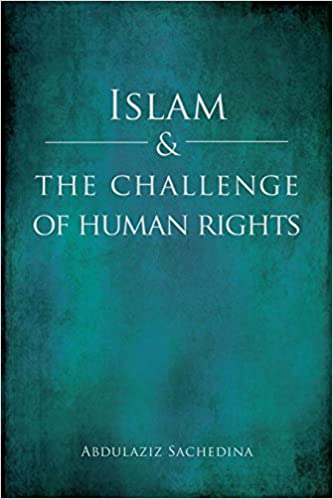
Islam and the Challenge of Human Rights
Author(s): Abdulaziz Sachedina
Reviewed by: Philip Lewis, York St John University, York
Review
This is a moving and important work. Abdulaziz Sachedina, a professor of Religious Studies at the University of Virginia, is also a product of Shi[ite traditional seminary education in Iran and Iraq. For forty years, while maintaining his links with this traditional world – Sunni and Shi[ite - and specialising in the area of Islamic law, he has sought to build intellectual links between traditional Islam and the modern world. His earlier work The Islamic Roots of Democratic Pluralism is widely quoted. This new monograph, which started life as the Edward Cadbury Lectures in 2005 at the University of Birmingham, will doubtless enhance his reputation for a constructive engagement with big and controversial themes.
Professor Sachedina is no armchair academic. His book indicates that he is active in inter-religious relations, as well as attending meetings in Jordan in 2003 between Sunni and Shi[ite scholars from Iraq who unsuccessfully were seeking to rise above ancestral sectarian differences and suspicions. He has sharp insights about both enterprises, whether inter- or intra-faith relations. The book tackles some of the most intractable issues today which divide practitioners of human rights and Muslim traditionalists. The range of topics covered is indicated by the chapter headings: ‘the clash of universalisms: religious and secular Human Rights’, ‘the nature of Islamic juridical-ethical discourse’, ‘natural law and knowledge of ethical necessity’, ‘the dignity and capacities of women as equal bearers of Human Rights’, ‘individual and society: claims and responsibilities’, ‘freedom of religion and conscience: the foundation of a pluralistic world order’.