Islamic Thought and Sources
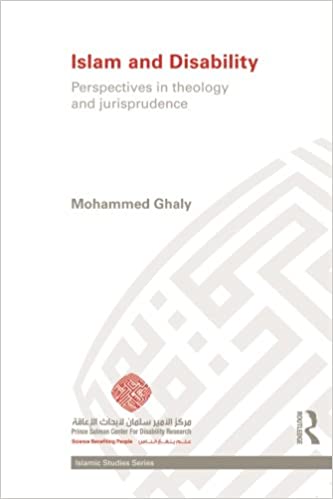
Islam and Disability
Perspectives in Theory and Jurisprudence
Author(s): Mohammed Ghaly
Reviewed by: Christopher Anzalone
Review
Numbering an estimated 650 million people according to United Nations figures, people with physical and mental disabilities make up approximately ten percent of the world’s population. Even in developed countries, the passing of laws protecting their rights and the establishment of programmes to assist them is relatively new. Theologians and jurists from the Abrahamic religions have historically sought to negotiate the seeming dichotomy between the belief in a just supreme deity (God) and the existence of disabilities, pain, and suffering, even among those individuals who have done no wrong. Most of the scholarly research up to this point has focused on the intellectual developments of Christian thought on the issue of disability and the impact of these developments on Christian theology and philosophical thought. The study of Muslim thought on the subject of disability remains in its beginning phase. Fortunately, Mohammed Ghaly, who is currently an assistant professor of Islamic studies at Leiden University in the Netherlands, has written a detailed analytical survey of Sunni Muslim theological and juridical thought on disabilities and the proper treatment of individuals who have them. He gathers together and analyzes discussions on disabilities from various Sunni primary sources, specifically theological and juridical treatises produced by both classical-medieval and modern Sunni religious scholars and jurists.