Islam and the West
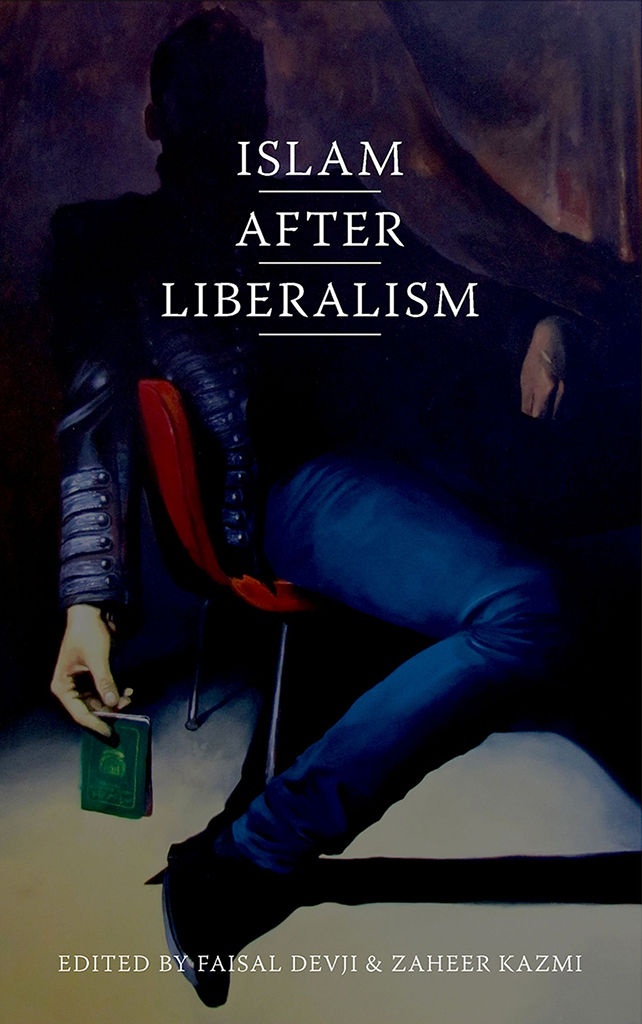
Islam After Liberalism
Author(s): Faisal Devji & Zaheer Kazmi
Reviewed by: S Parvez Manzoor
Review
Muslim liberalism, even if conceived as the result of ‘a happy coincidence between the values of Islam and those of the West’, is more than just a ruse, a disingenuous bid for the grabbing of political power. For all its alleged political expediency, Islamic liberal thought pursues a set of complex intellectual, moral and metaphysical conversations that question the veracity of the liberal view of man as an atomistic individual and the legitimacy of its regime of freedoms and rights whose foremost beneficiary is the economically privileged man of property. Hence, any rigorous examination of the self-legitimising claims of liberal theory by Muslim critics need not be dismissed as a vain display of pious posturing. No, Islam’s censure of liberalism is not merely a bequest of the colonial’s civilising mission, but an anguished cry of the Islamic soul, an authentic bid to recover the meaning of faith in our times. Indeed, according to Armando Salvatore, one of the more intrepid interlocutor in this debate, liberal Islamic thought not only strives but also displays ‘a limited capacity to emancipate itself from the European political mythology and theology that has set the benchmarks for the notions of statehood and citizenship, both in colonial and post-colonial nation-states.’ Islam, for him, ‘rather represents a discontinuous and open civilisational pattern or process that, by virtue exactly of this high degree of openness, produced the only civilisation with global reach, and as such a civilisation sui generis, something more like a transcivilisational ecumene.’