Islamic Economics, Banking and Finance
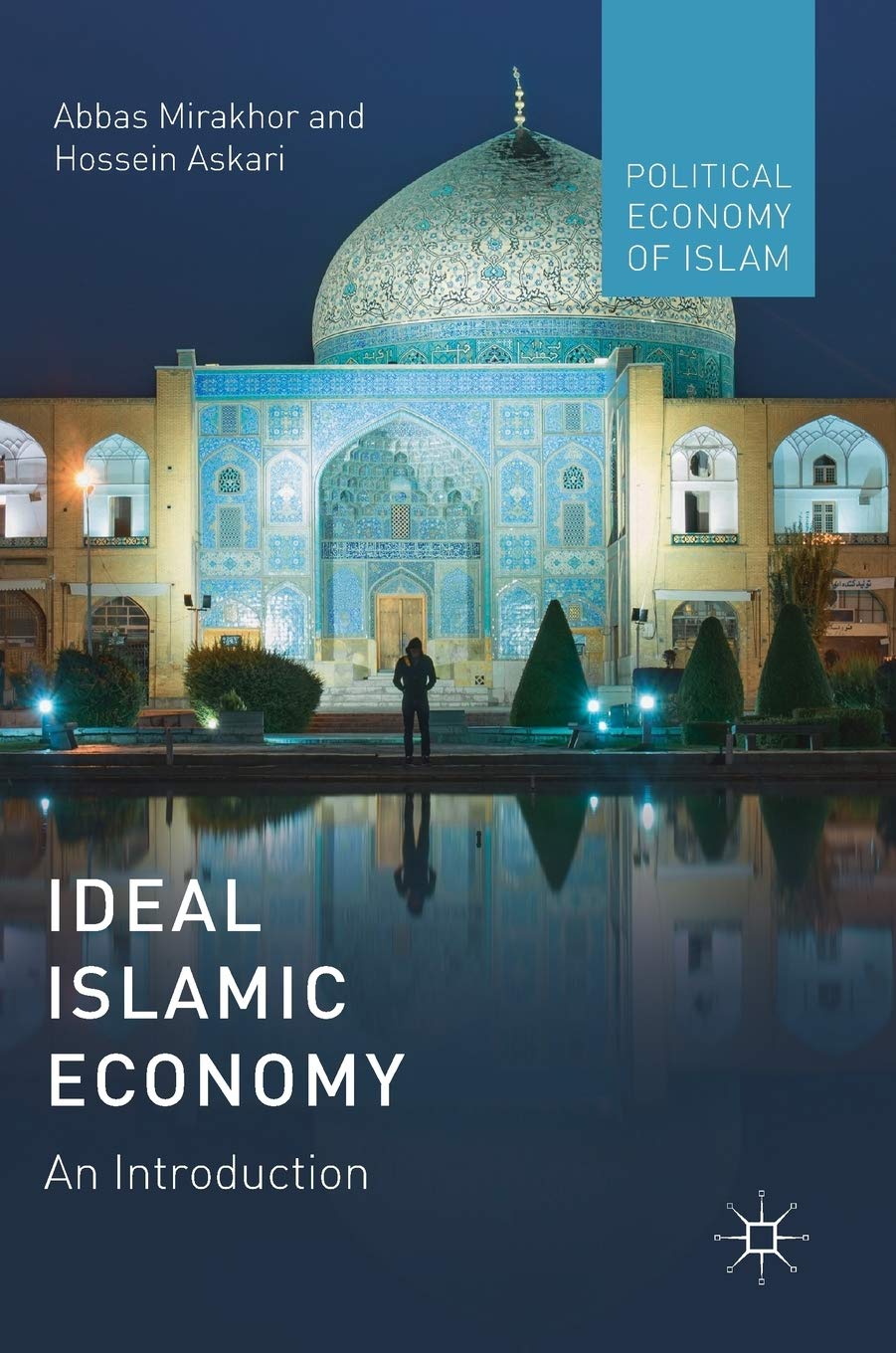
Ideal Islamic Economy
An Introduction
Author(s): Abbas Mirakhor & Hossein Askari
Reviewed by: Alija Avdukic, University of Dundee, UK
Review
The authors start with reviewing the literature on the relationship between Islam and economic development. Despite the complex nature of both religion and economic development, and the multiple dynamics and variables involved in each, they point to a clear causal link between various factors, which has given rise to various theories. Those who argue that the relationship between Islam and economic development is a positive one base their argument on historical facts going back to the glorious past of Muslim countries when Muslims were at the forefront of economic development and scientific discovery. Others argue that economic development in Muslim countries has been held back by Islam, which is seen as incompatible with modernity and economic development. They argue that the widely varying rates of development and economic growth in Muslim countries – both within the same country over time and between countries – show that it is impossible to categorically state that Islam determines patterns of economic development and growth. But the fact that Islam coexisted for many centuries with vast economic development, trade and scientific and cultural innovation makes studies that draw a clear causal link between Islam and underdevelopment in many Muslim countries appear speculative.