Islamic Philosophy, Theology and Spirituality
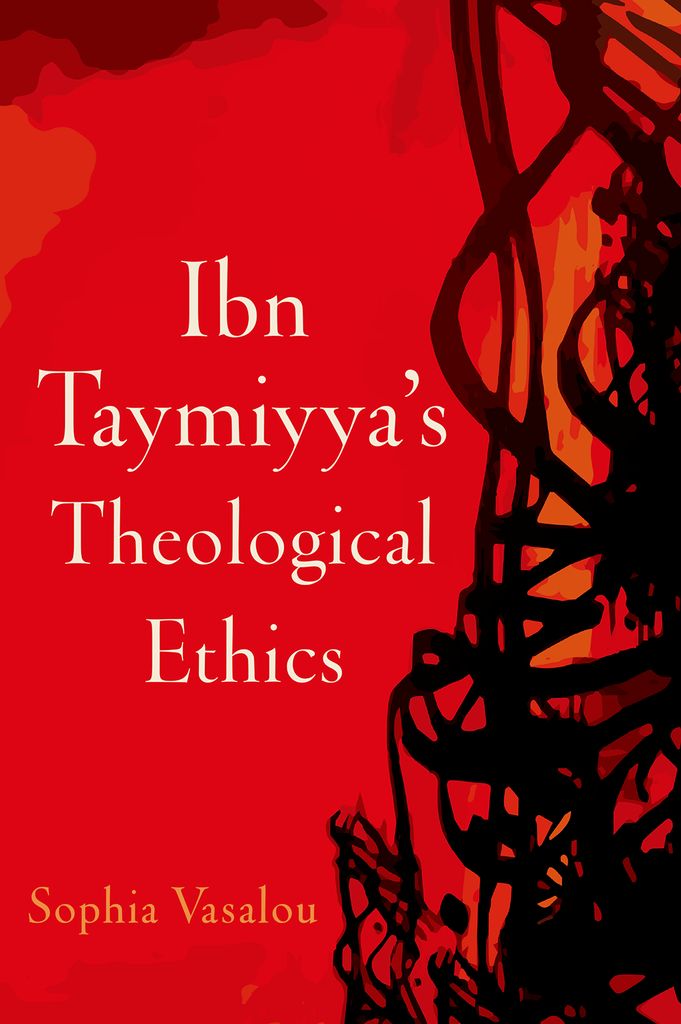
Ibn Taymiyya's Theological
Author(s): Sophia Vasalou
Reviewed by: Iftikhar H Malik, Bath Spa University, UK
Review
Interest in Ibn Taymiyyah (1263–1328), the preeminent Damascene jurist of the late Medieval period, has gained impetus due to three factors: firstly, the revisiting by revivalists such as Syed Abul A‘la Mawdudi and Sayyid Qutb; secondly, due to the post-9/11 almost single-factor spotlight on Salafi and Wahhabi strands; and thirdly, owing to research works by scholars such as Henri Laoust, Yahya Michot and Ovamir Anjum. Ibn Taymiyyah carried quite some influence on his contemporary jurists, especially of Sunni persuasion and latterly of the Hanbli School, but then he became almost a forgotten doyen until the eighteenth century. Here the Najdi movement, now commonly known as Wahhabism, regenerated interest in his collected Fatawa, which, to a major extent, account for the jurist’s commentaries on thematic topics such as Shi[ah Islam, literal purism, shrine visitation, and certainly the relationship between reason and revelation in understanding Islam. Seen as the founder of puritanical Islam, Ibn Taymiyyah has been pigeonholed as a vanguard flag carrier of the literalist school much to the discomfort of the then waning strand of the Mu[tazilites. Even Majid Fakhry seems to be reducing Ibn Taymiyyah’s scholarship to a strict Hanbalite school of thought, shorn of philosophical and even theological discursive methods while literally clinging to the sacred text. However, to our present author, it is an unfair misrepresentation of the great scholar, who, in fact, caused opprobrium both from amongst the rationalists and the Ash[aris.