Contemporary Muslim World
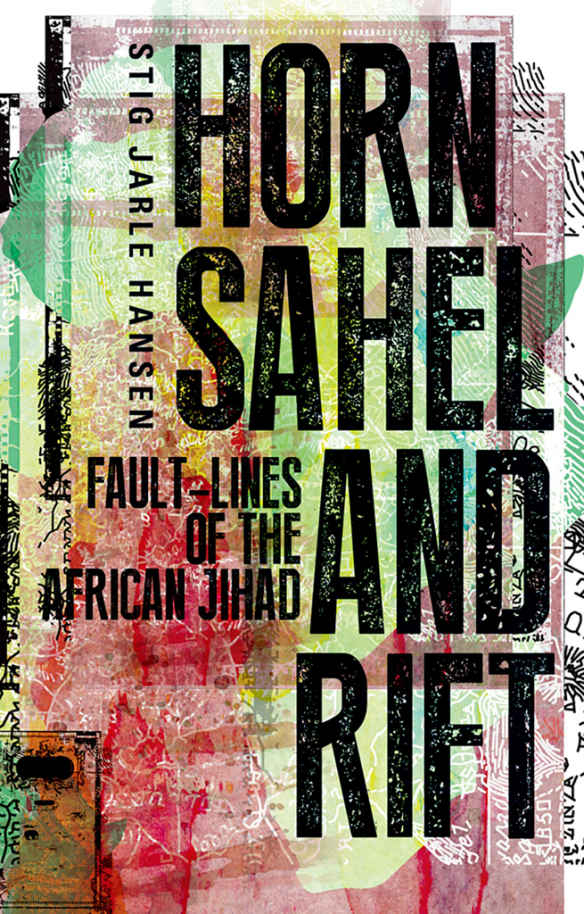
Horn, Sahel and Rift
Fault-lines of the African Jihad
Author(s): Stig Jarle Hansen
Reviewed by: Christopher Anzalone
Review
The rise and continued relative success of African Sunni militant Islamist (jihadi/jihadist) organizations in North and Sub-Saharan regions of the continent over the past decade has placed Africa increasingly at the forefront of U.S. and European counter-terrorism efforts and military and political interventions. As the original core Al-Qaeda, founded by the late Usama bin Laden and now led by Ayman al-Zawahiri, has become more marginalized and marooned in the Afghan and Pakistani borderlands, struggling to stay a major challenge apart from Islamic State, African jihadi-insurgent groups, many of them affiliated with Al-Qaeda (AQ), have enjoyed a resurgence and expansion while also proving to be resilient in the face of territorial losses and military pressure. Al-Shabaab in Somalia, the Jama[at Nusrat al-Islam wa’l-Muslimin (JNIM, an affiliate of the now more de-centralized Al-Qaeda in the Islamic Maghreb (AQIM), the “Boko Haram” factions in Nigeria and surrounding countries including Cameroon and Chad, the Allied Democratic Forces (ADF) in the Democratic Republic of Congo (DRC), and Islamic State (IS) affiliates and sympathizers across the continent, including IS’s “West Africa Province” (Wilayat Gharb Ifriqiya) and newly-emergent affiliates in the DRC and Mozambique, have succeeded, in some cases, of capturing and holding significant amounts of territory and implementing forms of proto-state governing rule or otherwise presenting serious security threats in their respective countries.