Philosophy and Sufism
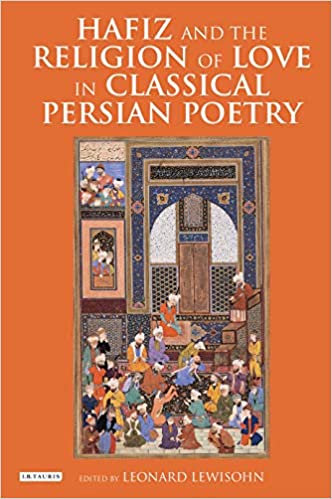
Hafiz and the Religion of Love in Classical Persian Poetry
Author(s): Leonard Lewisohn
Reviewed by: Muhammad Isa Waley
Review
Admired by anyone who knows the Persian language, and cherished – and quoted daily – by millions, Shams al-Din Muhammad Hafiz, poetic genius of Shiraz, remains a source of contention. We know so very little about his personal life. Is this master of lyricism and ambiguity an ultra-cultivated voice of Sufi doctrines in which the intoxication of wine symbolises mystical cognition of the One Reality? Or is he the poet laureate of sophisticated, non-figurative, wine-drinking combined with a reprobate’s “devil may care” strain of mysticism? Both views are represented with eloquence and erudition in Hafiz and the Religion of Love, which is based on the proceedings of a conference held at Exeter University. The main theme is enunciated in the title. Some contributors contend that the Divan (collected verse) of Hafiz represents the literary culmination of a tradition within Islam known as the madhhab-i [ishq or “school of love”. According to Iran’s distinguished scholar and broadcaster Husayn Ilahi-Ghomshei, this line of Sufis can be traced back to the controversial figure of al-Hallaj, by way of such luminaries as Ibn al-[Arabi and Ibn al-Farid in the Arab world and [Ayn al-Qudat, Sana’i, [Attar – and even Nizami – in the Persianate domain (and Ahmad Ghazali and [Iraqi surely also belong in this company).