Philosophy and Spirituality
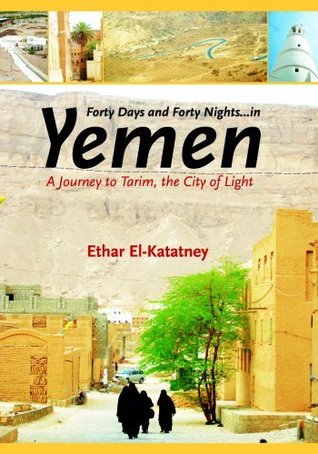
Forty Days and Forty Nights in Yemen
a Journey to Tarim, the City of Light,
Author(s): Ethar El-Katatney
Reviewed by: Abdal Karim Kocsenda, UAE
Review
One rarely comes across a work that is both simple in its presentation and weighty in its contents; that can be read by young and old with equal fascination and enlightenment. Even more rarely does it have to do with Sufism, or Islamic spirituality. Ethar El-Katatney’s journal of her forty-day intensive retreat in Tarim is one such gem of a book. As a first-person travel account, it deals with spirituality as a lived reality and offers readers a much more practical view of the heart of Islam than the academic treatment the subject commonly receives.
Tarim is a small town in the Hadramawt valley of eastern Yemen, the burial site of the Prophet Hud (God bless him and grant him pace), and for centuries home to the world’s largest concentration of descendants of the Prophet Muhammad (God bless him and his household and grant them peace) who have preserved, taught, and propagated their religion from this humble settlement. It is now the setting of a yearly forty-day Dawrah or intensive course in Islamic sciences that attracts students from around the world seeking to immerse themselves in an authentic Muslim environment almost untouched by modernity. El-Katatney paints an intimate portrait of the town and the spiritual transformation she underwent there in 2008; an account that reads at once like a gripping travelogue and a profound spiritual autobiography.
For a journal, Forty Days is remarkably literary, cohesive and thematic. This is doubtless in answer to the prayers of Habib [Ali al-Jifri in his foreword, and also El-Katatney’s sincerity in seeking sacred knowledge. She writes, quoting Imam al-Haddad: “I intend learning and teaching; reminding myself and reminding others; encouraging people to hold fast to the Book of Allah and the Sunnah of the Messenger of Allah (God bless him and grant him peace); calling people to guidance; guiding people to good, and [in doing all this] seeking the countenance, pleasure, nearness, and reward of Allah Most High.”