Islam and the West
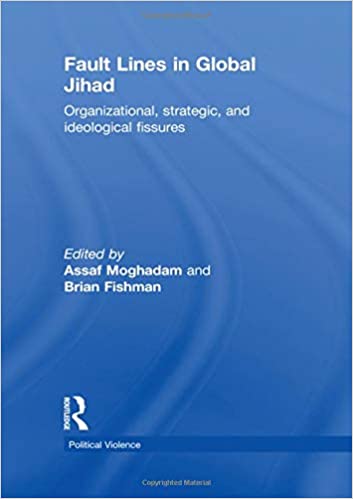
Fault Lines in Global Jihad
Organizational, Strategic, and Ideological Fissures
Author(s): Assaf Moghadam & Brian Fishman
Reviewed by: Christopher Anzalone
Review
Since the September 11, 2011 attacks inside the United States, Al-Qa[ida Central (AQC), the original organization founded by Usamah bin Laden, has been unable to achieve any of its major strategic goals. Instead, it has been beset by a number of major setbacks which have included the loss of its once expansive base of operations in Taliban-ruled Afghanistan and the capture or assassination of the majority of its senior leaders including bin Laden himself. Even before the loss of its charismatic founder, AQC and its regional affiliates, Al-Qa[ida in the Arabian Peninsula (AQAP), Al-Qa[ida in the Islamic Maghreb (AQIM), and the Islamic State of Iraq (ISI), as well as their ideological allies have faced fissures from within the transnational Sunni jihadi (hereafter ‘jihadi’) movement. These endogenous problems have included both major strategic and ideological disagreements and infighting which have damaged the unity of a movement which likes to promote itself as unbreakably unified against its enemies.
Despite the importance of understanding these internal jihadi debates, a substantive book-length study has not been undertaken until the publication of this excellent edited volume. The editors, Assaf Moghadam, director of research at West Point’s Combating Terrorism Center (CTC), and Brian Fishman, the Counterterrorism Research Fellow at the New America Foundation and a research fellow at the CTC, have put together an impressive set of chapters on a wide range of topics related to endogenous jihadi fissures and debates. However, they also recognize that there is still much ground to be covered and hope that this volume will lead to further research on this topic.