Islam and the West
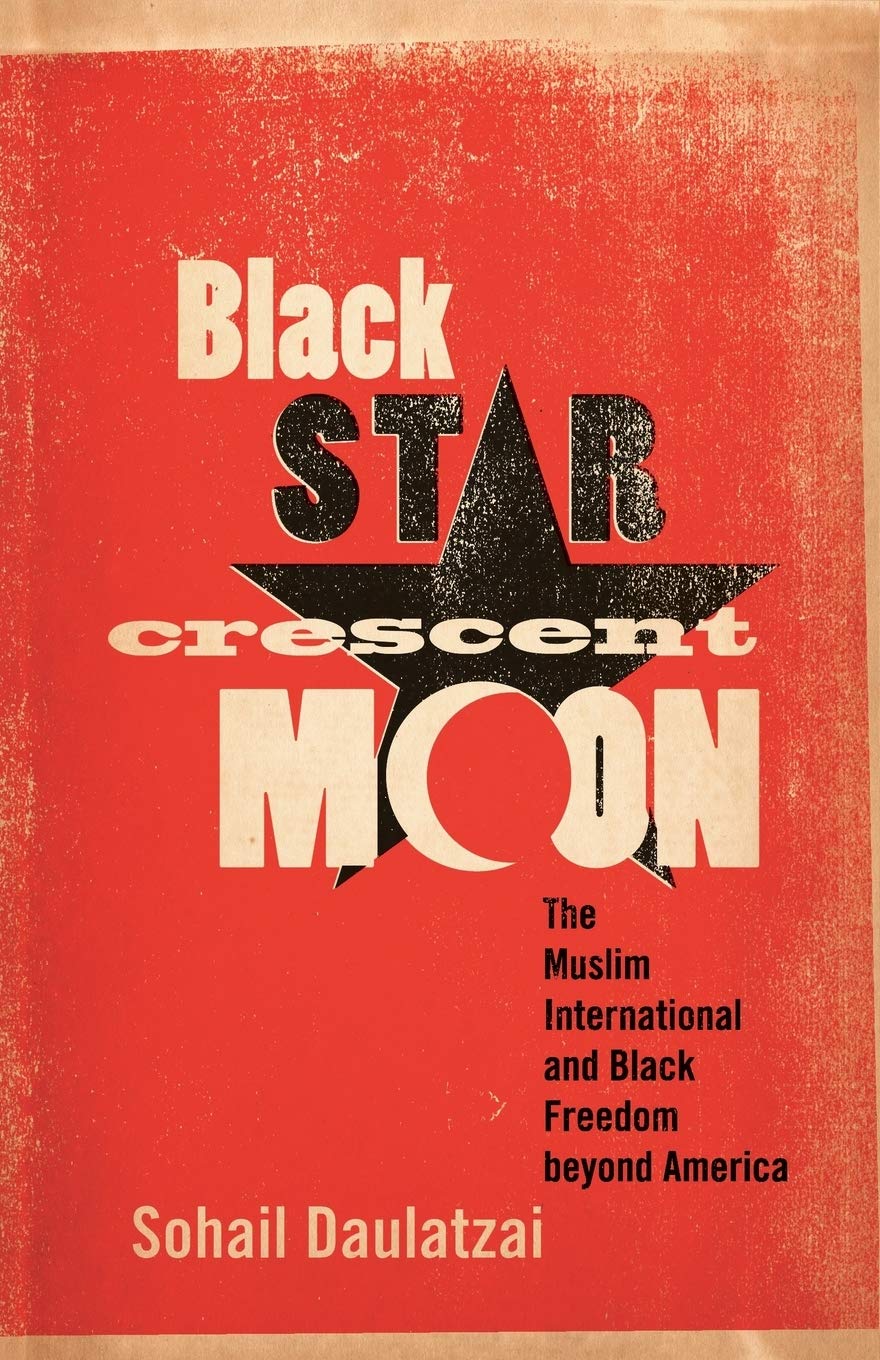
Black Star, Crescent Moon
The Muslim International and Black Freedom Beyond America
Author(s): Sohail Daulatzai
Reviewed by: Yahya Birt, University of Leeds
Review
The central political question for Muslims of the West has focused on their entanglement with both the nation (watan) and the Muslim supranational collectivity (ummah). Its centrality remains regardless of whether this is a question Muslims ask of themselves or it is posed from outside, often as an accusation of disloyalty or at least as indifference to national belonging. Sohail Daulatzai, an associate professor of film and media studies and AfricanAmerican studies at the University of California at Irvine, makes this very question his point of departure. His argument is that Black American Muslims, and Black American radicals more generally, have refused to accept minority status within the horizon of a nation-state or, in the case of America, of a new imperium. Instead, they connected themselves to a global majority in the name of resisting American ‘hypernationalism’ (p. 22) and more broadly Western imperialism and neo-imperialism. The novelty of his approach is to argue that Islam played a far greater role, and a hitherto relatively unacknowledged one, in the construction of the global majority with whom these Black Americans sought solidarity. In other words, Pan-Islam mattered as did international socialism, Pan-Africanism, the Nonaligned Movement and other anti-colonial and postcolonial movements of the period that Daulatzai surveys, namely, from the 1950s to the present.