Philosophy and Sufism
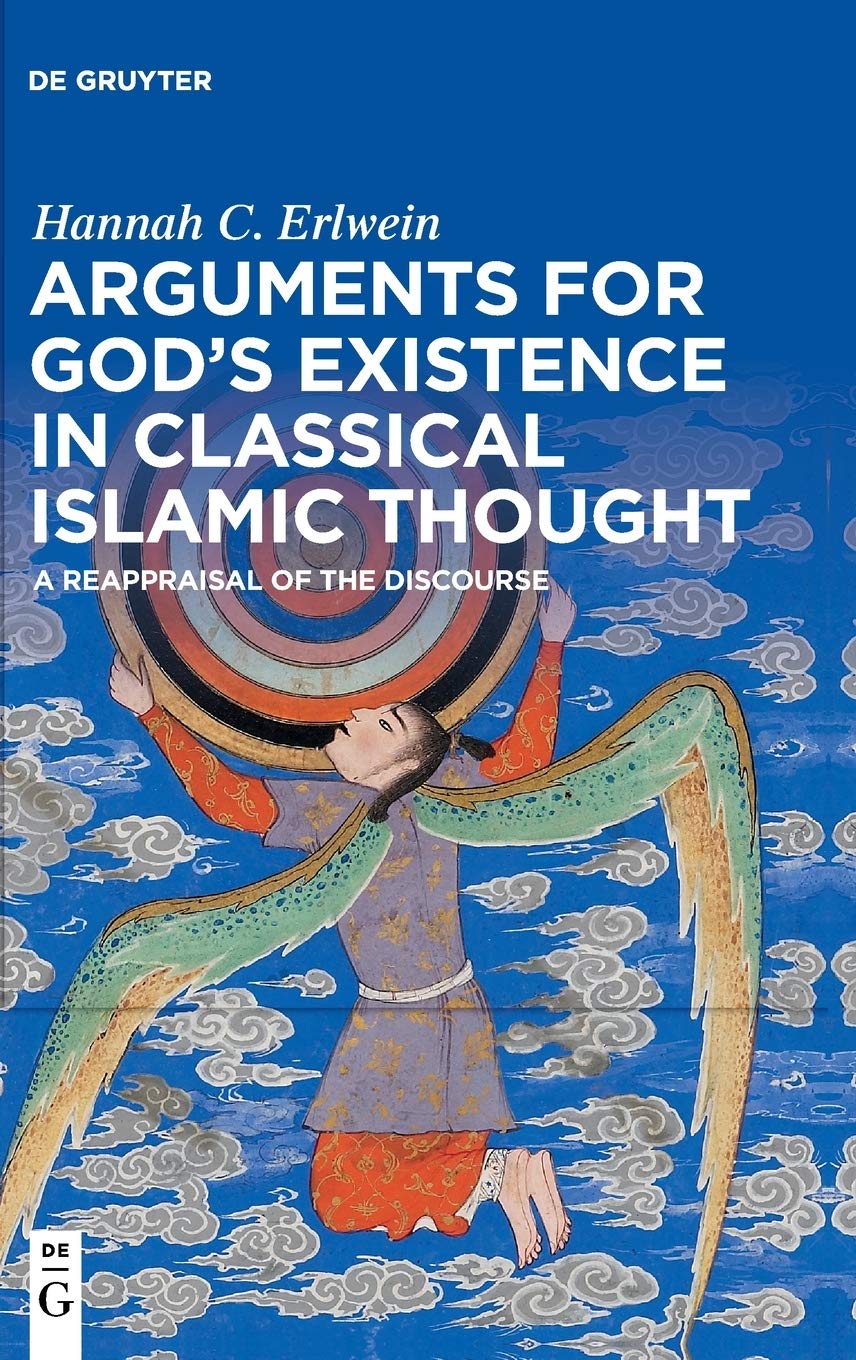
Arguments for God's Existence in Classical Islamic Thought
A REAPPRAISAL OF THE DISCOURSE
Author(s): Hannah C. Erlwein
Reviewed by: Ammar Khan Nasir
Review
Theological debates and contestations about God have been multi-faceted and diverse in the history of the Muslim rational tradition. Each points to a variety of theological concerns that were at the heart of these rational discourses. Broadly, they could be classified as internal and external debates depending on whether or not the interlocutors belonged to the community of the faithful. To the former category, for example, can be ascribed religious polemics on the corporeality or absolute transcendence of God, discussions on the nature and inter-relation of divine attributes, and debates on whether the world was co-eternal with God, though causally dependent on him, or had a temporal origination that was subsequent to its non-existence. The external contestations were exemplified by questions regarding the unity or plurality of divine entities, the way one should conceptualise the origination of the world from God, and whether the existence of the world could be explained by its own self or needed to be ascribed to the creative activity of a creator. The present work by Hanna C. Erlwein, which is originally based on her doctoral dissertation, aims to subject one particular discourse, that of the rational proofs of God’s existence in Islamic intellectual tradition, to a critical re-evaluation.