-
Current Issue | Volume 46 | Issue 4 | July 2026
 Article
The Prophet Muḥammad (saw) in the Literature of the Sokoto Caliphate
Reviewed by: Usman Bugaje
Books Reviewed:- Abstract
- The personality of the Prophet Muḥammad (blessings and peace be upon him) in the psyche and life of any Muslim is unique, to say the least. The name of the Prophet elicits a reverence towards him which comes only second to the reverence elicited towards God Himself. Rightly so, for not only did he convey the message of Islam, he was also sent to demonstrate it and embody it in a perfect manner. His Sunnah forms an indispensable source of the Sharia, the way of life of Muslims. While Hadith literature is largely the purview of scholars, the wider society relishes in the love and affection it manifests towards the Prophet, pouring panegyrics on his person and his family, creating a literature, largely poetic and oral, known as the Madīḥ. The scholars of the Sokoto Caliphate, like many others, have been part of this literary ecology and have contributed their fair share to this tradition. The first work to be written by Shaykh ʿUthmān ibn Fodio was a poem praising the Prophet following the Sufi pattern of Madīḥ. Yet his works on jurisprudence are so driven by the Sunnah that he is easily claimed by the Salafist. His magnum opus written after 19 years of itinerant preaching was titled Iḥyāʾ al-Sunnah wa Ikhmād al-Bidʿah. His students, especially his daughter Asmaʾu went along the path and crafted astonishing poems in that respect. Thus, the Sokoto scholarship on the Prophet Muḥammad represented a remarkable harmony between the Sufi and Salafi approach and demonstrated the role of Madīḥ in the transformation of society. This paper examines the evolution of this synthesis that may appear unusual today and the role this harmony played in shaping the intellectual and political fortunes of the polity.
- Keywords: Literature on the Prophet during the Sokoto Caliphate – Madīḥ literature in the Sokoto Caliphate - ʿUthmān Dan Fodio’s attempt to reconcile Sufism and Salafism – The Role of Madīḥ in creating social harmony in Nigeria.
BOOK REVIEWS
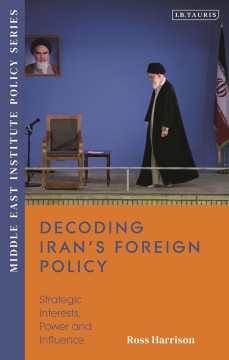
Decoding Iran’s Foreign Policy
Strategic Interests, Power and Influence
Author(s): Ross Harrison
Reviewed by: Zeeshan Mahmood
Read more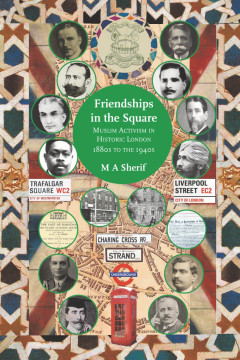
BOOK REVIEWS
Friendship in the Square
Muslim Activism in Historic London 1880s to the 1940s
Author(s): M.A. Sherif
Reviewed by: Humayan Ansari
Read more